










Stomach Burning After Eating Spicy Food: Causes, Relief & Prevention Tips
If you feel stomach burning after eating spicy food, it can spoil your day and make you cautious about your next meal. For some people, the discomfort is short and mild. For others, it can return again and again, especially after certain dishes, late dinners, or stressful days.
This article explains what may be behind a burning sensation in the stomach after eating spicy food, what you can do right away for comfort, and how you can reduce repeat episodes over time.
You will also find simple safety notes, because frequent stomach burning is worth checking properly.
What Stomach Burning After Spicy Food Can Feel Like
Stomach burning does not feel the same for everyone, and that is why it can be confusing.
You may notice one or more of these sensations:
- A warm, burning feeling in the upper stomach area
- Burning that feels stronger when your stomach is empty.
- Sour belching or a sour taste in the mouth (sometimes linked with sour burps)
- Heaviness and uneasiness after meals
- Burning that feels worse when you lie down.
- Tightness in the upper belly with gas or bloating
- A mild nausea-like feeling, especially after oily or spicy food
If your discomfort feels new, stronger than usual, or keeps returning, it is safer to treat it as a signal rather than just “normal acidity”.
Why Spicy Food Can Trigger a Burning Sensation in the Stomach
Spices can add taste, but they can also irritate a sensitive digestive system in some people.
A few common reasons spicy meals may trigger burning include:
- Irritation of the stomach lining: When the stomach lining is already sensitive, spicy food may feel more irritating.
- Oily or fried food with spice: Many spicy foods are also oily. Oil can slow digestion and increase heaviness, which may worsen discomfort.
- Overeating or fast eating: A large portion or rushed eating can increase pressure in the stomach.
- Reflux-like symptoms: Reflux-like symptoms are commonly referred to as acid reflux.
- Late-night meals: Late-night meals may worsen acid reflux at night.
- Tea or coffee around meals: For some people, tea or coffee on an empty stomach or soon after a spicy meal may worsen burning.
If you frequently feel stomach burning after eating spicy food, it may help to notice whether it happens more with oily-spicy food, very late meals, or when you eat quickly.
Common Stomach Burning Causes Beyond Spicy Food
Spicy food is a common trigger, but it is not always the only reason. If burning happens often, reviewing the broader causes of stomach burning can give you better clarity.
Some possible stomach-burning causes may include:
- Reflux-like irritation, sometimes felt as heartburn
- Stomach lining irritation due to irregular meals, stress, or certain foods
- Frequent tea or coffee, especially on an empty stomach
- Tobacco or alcohol use
- Certain medicines may irritate the stomach in some people.
- Poor sleep and ongoing stress
- Sensitivity to very sour foods or heavily processed foods
If symptoms begin to match typical acid reflux symptoms - such as chest burning, sour taste, or throat irritation - it may be useful to review your eating and sleeping habits more carefully.
Medicines For Acidity and Gas: Safety Notes for Regular Users
Many people keep antacids or acidity medicines at home. While these may be used for some people, regular unsupervised use is not a long-term plan.
If you are searching for how to remove gas from the stomach instantly, remember that different products are made for different symptoms. Some are for acidity, some for reflux-like irritation, and some for gas. Mixing them without guidance can confuse symptoms.
Be careful about:
- Using acidic medicines daily without medical advice
- Using painkillers often if your stomach is sensitive
- Taking multiple remedies and medicines together
- Repeating the same medicine frequently without understanding the trigger
If you have burning sensations often, it is better to find the trigger and get proper medical advice rather than repeatedly suppressing symptoms.
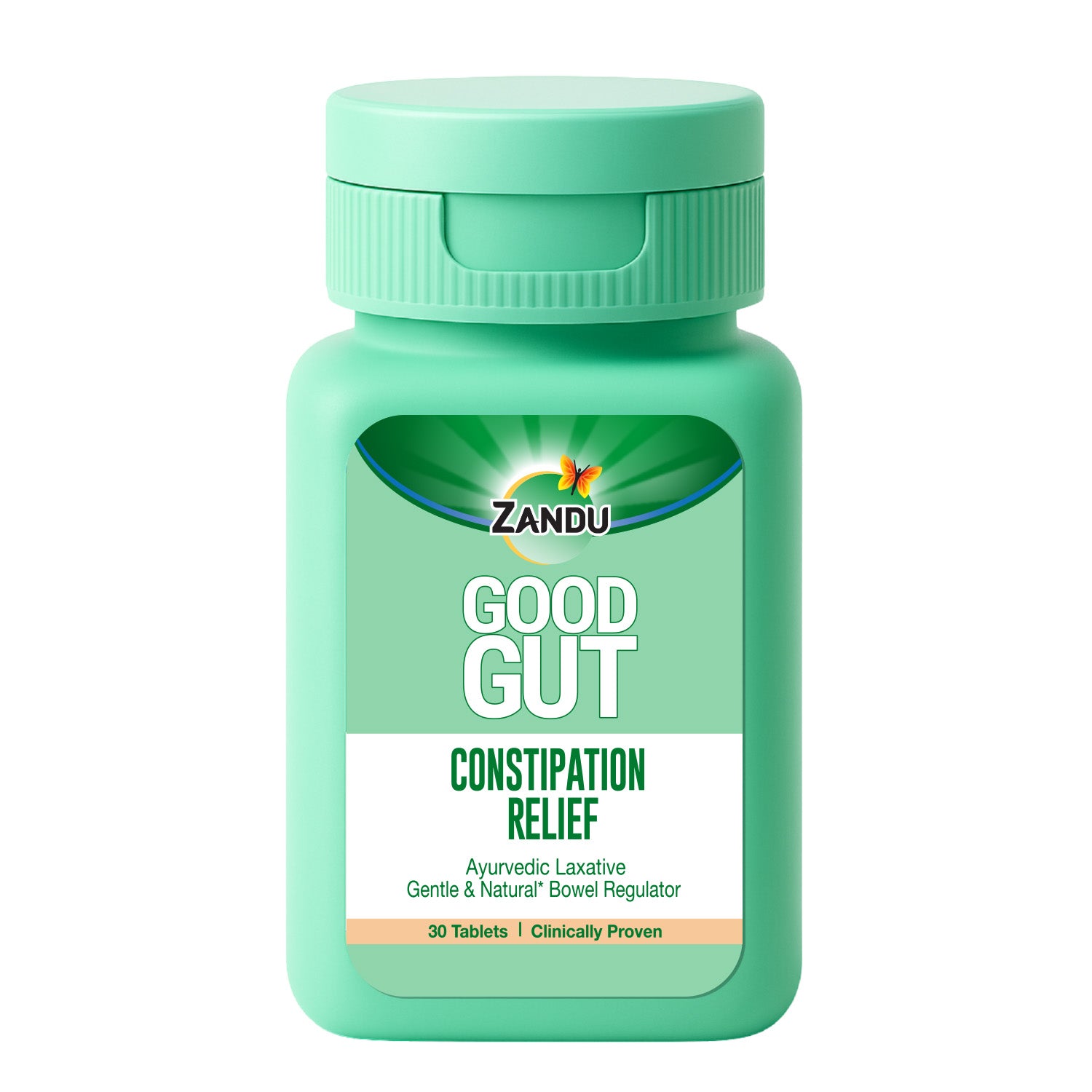
If you prefer an Ayurvedic product option for recurring acidity and bloating support, some people choose Zandu Good Gut Acidity & Bloating Relief Tablets. This product is presented as an Ayurvedic formulation and includes ingredients such as Muktashukti Bhasma and Yashti (GutGard®).
If you consider it, read the label carefully, follow usage guidance, and avoid combining it with multiple acidity medicines at the same time. If you take regular medicines or have ongoing health conditions, it is safer to speak to a clinician first.
Immediate Steps for Relief After a Spicy Meal
When burning starts, the first goal is to avoid making it worse. Many people do too many things at once, which can confuse the body and make symptoms harder to understand.
You may try these immediate steps:
- Sit upright with back support
- Loosen tight clothing around your waist.
- Take slow breaths and relax your belly.
- Sip plain water slowly if it suits you.
- Avoid lying down or bending forward soon after eating.
- Take a gentle walk if you feel comfortable.
- Avoid another spicy, sour, or oily item for the rest of the day.
- Keep your next meal simple and light.
If you need additional support, exploring gentle remedies for stomach burning may help you approach symptoms in a calmer and more structured way.
Gentle Home Remedies for Burning Sensation in the Stomach
Home care can feel helpful when symptoms are mild and occasional. Keep remedies gentle. Do not mix many things together, and stop any remedy that increases burning.
Here are some common ways to remove gas from the stomach instantly:
Warm Water Sips
Warm water can feel soothing for some people.
Safety notes:
- Sip slowly rather than drinking quickly
- Avoid very hot water, which can irritate the throat.
- Stop if you feel nausea or discomfort increasing
Light, Cooling Meals for the Next Meal
After a spicy meal, your stomach may feel more sensitive.
You may find it easier to choose:
- Plain, non-oily food
- Softer foods that feel easy to digest
- Smaller portions
If you feel burning again, it may help to avoid adding more spice or sourness that day.
Fennel Seed Water in a Mild Form
Fennel is commonly used in Indian homes for heaviness and gas.
Safety notes:
- Keep the taste mild
- Avoid strong mixes with many spices.
- Stop if it does not suit you
Cumin Water in a Mild Form
Cumin is also used for digestion in many households.
Safety notes:
- Keep it light, not strong
- Stop if you feel more heat or irritation.
Ajwain: Use With Extra Care
Ajwain can feel “heavy” for some people. If burning is already strong, ajwain may not suit everyone.
Safety notes:
- Use only a small amount if you choose to try it
- Avoid frequent use if it makes burning worse.
- Avoid mixing it with other strong ingredients
Gentle Rest, Upright Posture, and Calm Breathing
Sometimes the body becomes tense when burning starts.
Simple calming steps may help you feel steadier:
- Sit upright and relax your shoulders
- Take slow, nasal breaths.
- Avoid bending forward after meals.
- Keep your chest open and posture relaxed.
These steps do not “treat” a cause, but they can support comfort while you settle.
Struggling with bloating? Try Ayurvedic gut support products that complement your diet and daily routine for better gut wellness.
When Gas and Bloating Join In
Many people feel gas, belching, or bloating along with stomach burning. This can feel like tightness and heaviness, sometimes with discomfort in the upper belly.
Common reasons bloating may come with burning include:
- Eating quickly and swallowing extra air
- Heavy, oily meals that slow digestion
- Long gaps followed by a large meal
- Low movement after meals
- Stress, which can affect digestion for some people
If you are searching for how to reduce a bloated stomach via home remedies, focus on gentle basics:
- Eat slowly and chew well
- Keep portions moderate
- Avoid gulping water quickly.
- Walk slowly after meals if possible.
- Keep dinner lighter if evenings worsen bloating.
Many people also search for home remedies for removing gas from the stomach, hoping for instant relief. Instant relief cannot be promised, but gentle steps may help you feel more comfortable.
Acid Reflux Treatment at Home Through Daily Habits
Many people use the term reflux when burning rises upward, especially with sour belching or throat irritation. Home care focuses on habits that reduce irritation and reduce backflow.
If you are looking into remedies for acid reflux, daily habits matter more than quick fixes, Consider:
- Eating at regular times
- Avoiding very large meals, especially at night
- Avoid lying down soon after eating.
- Keeping dinner earlier if late meals worsen symptoms
- Limiting very spicy and oily food if it triggers burning
- Not taking tea or coffee on an empty stomach if it worsens the burning.
- Keeping stress gentle, especially around meals
- Sleeping in a comfortable position that does not worsen symptoms
Following a simple acid reflux diet may help reduce repeated irritation. You may also benefit from identifying common acid reflux foods that tend to trigger burning in sensitive individuals.
Some people also explore gentle, natural ways to treat acid reflux alongside routine improvements.
If reflux-like burning becomes frequent, it is better to check the cause instead of managing it only at home.
Causes of Stomach Bloating and Frequent Urination
When bloating happens along with frequent urination, it can feel worrying. The reasons can range from routine and food habits to issues that need medical attention.
Possible factors may include:
- Drinking more fluids, such as tea or coffee, especially in the evening
- High salt or very spicy meals increase thirst and urine frequency.
- Digestive sensitivity causes bloating while fluid intake increases.
- Urinary irritation or infection in some cases
- Blood sugar-related concerns in some cases.
- Some medicines that can increase urination
Because the causes can vary, ongoing causes of stomach bloating and frequent urination should be checked by a clinician, especially if the change feels new or persistent.
Preventing Repeat Episodes With Steady Daily Habits
Long-term comfort usually comes from steady habits, not quick fixes. If burning keeps returning, focus on routine, meals, and stress.
Helpful habits include:
- Keep meals regular and moderate
- Reduce foods that trigger burning for you.
- Avoid long gaps followed by heavy meals.
- Avoid lying down soon after meals.
- Keep stress gentle with breathing, light movement, and better sleep routines.
- Be careful with medicines that can irritate the stomach.
If you want structured guidance for meal planning, referring to a practical acid reflux diet chart can make daily decisions easier. If you want personalised Ayurvedic guidance for your digestion pattern, you can consider a Zanducare consultation.
Zanducare offers free, private consultations with expert Ayurvedic doctors, which can help you understand likely triggers and build a routine that suits your body.
Ayurvedic Support With Personal Guidance
Ayurveda often focuses on routine, digestive strength, and food suitability. Many people over forty feel better when they stop trying random quick fixes and follow a steady plan.
If you want a guided approach, a consultation can help you:
- Understand your likely triggers and meal timing issues
- Identify patterns like burning after spicy food, late meals, or stress.
- Improve daily routine and food choices in a simple, realistic way.
- Decide whether an Ayurvedic product option fits your needs.
With Zanducare, you can book a free consultation and discuss your symptoms privately. If you also prefer an Ayurvedic product support option for acidity and bloating, you may ask the doctor whether Zandu Good Gut Acidity & Bloating Relief Tablets is suitable for you and how to use it safely with your current routine and medicines, if any.
When to See a Clinician Without Delay
Home care is best for mild, occasional discomfort. If symptoms are frequent or worsening, do not delay medical advice.
Consider medical advice if:
- Burning keeps returning over time
- Burning disturbs sleep
- You feel burning with nausea, weakness, or appetite loss.
- Symptoms feel new and stronger than what you are used to
- You often get burning after meals despite careful eating.
- You notice warning signs like vomiting, black stools, blood in stools, severe pain, difficulty swallowing, or repeated worsening.
For older adults, early checking is useful because many conditions share similar symptoms. It is better to get clarity early.
Conclusion
Stomach burning after eating spicy food can feel frustrating, especially when it interrupts sleep, appetite, or daily comfort. Immediate steps like staying upright and keeping meals light may help in the moment, but prevention usually depends on regular meals, moderate portions, calmer routines, and careful use of medicines.
If burning becomes frequent or feels stronger than usual, it is safer to speak to a clinician to understand the trigger and avoid repeated discomfort. If you prefer Ayurvedic guidance, a Zanducare consultation can support you with personalised advice, and you can also discuss whether an Ayurvedic product option for acidity and bloating fits your needs.
References
-
Capsaicin and gastrointestinal sensation (clinical review) https://pubmed.ncbi.nlm.nih.gov/16
- Functional Dyspepsia epigastric burning after meals https://www.ncbi.nlm.nih.gov/

Written by

Zanducare
India’s trusted name in Ayurvedic wellness, offering time-tested solutions for today’s health and lifestyle needs. With formulations rooted in classical Ayurvedic texts and crafted using pure natural ingredients, we bring holistic care into your everyday routine.
Research by




Leave a comment
This site is protected by hCaptcha and the hCaptcha Privacy Policy and Terms of Service apply.