







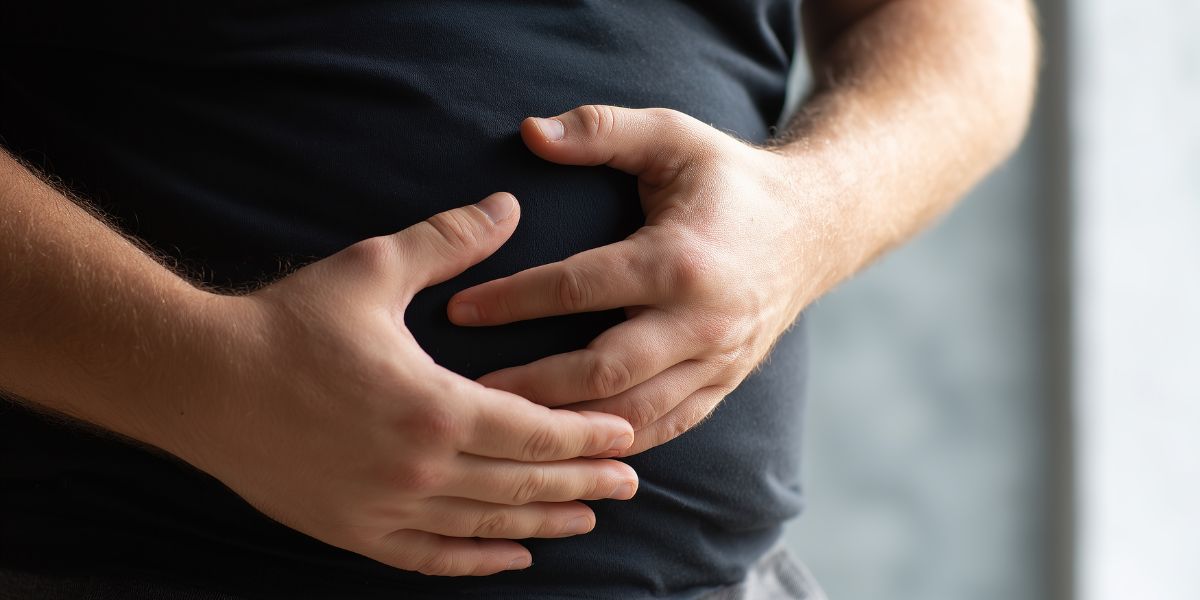
Heavy Stomach After Eating? Causes of Bloating, Gas, Kabj & Acid Reflux
A heavy stomach after eating can make you feel uncomfortable, slow, and not in the mood to do anything. Some people describe it as stomach heavy and bloated, while others say, “my stomach feels heavy and bloated” even after a normal meal. This feeling is common, but it should not be ignored if it keeps happening.
In this article, you will learn the main digestive reasons behind heaviness after food, including indigestion, gas in the stomach, constipation (kabj), and acid reflux. You will also find gentle ways on how to reduce bloating and when it is better to speak to a doctor.
What a Heavy Stomach After Eating Usually Means
A heavy stomach typically means your digestion is feeling overloaded or irritated, or that food is moving slowly through your digestive tract.
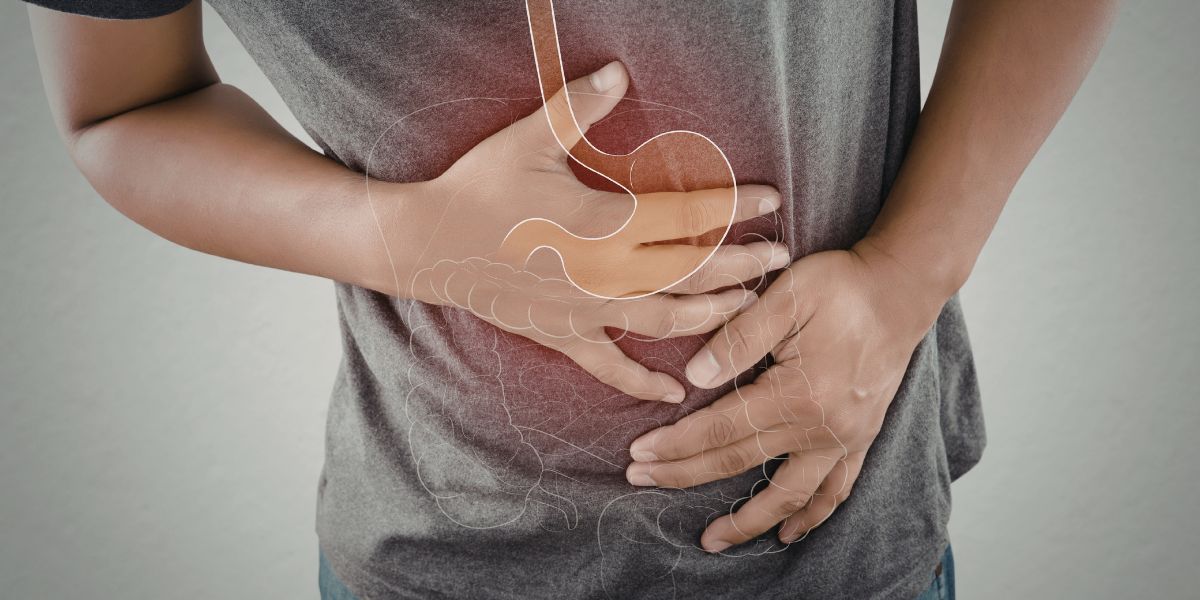
It can show up as fullness, pressure, bloating, burping, or a dull discomfort that stays for a while after meals. Some people may also describe this as upper stomach discomfort, especially when the tightness sits just below the chest area.
Common Signs That Come With Stomach Heaviness
Heaviness after eating can feel different for different people, but the pattern is often similar.
You may notice:
- Fullness that feels “too much” even after a regular meal
- Bloating, tightness, or a swollen belly feeling
- Burping or a sour taste in the mouth
- Mild nausea or uneasiness
- Sleepiness and low energy after eating
- A tight feeling in the upper stomach after meals
- Discomfort that feels worse when you lie down
- Gas, rumbling sounds, or frequent passing of gas
If these symptoms become frequent, they may overlap with broader signs of unhealthy gut patterns that need attention rather than quick fixes.
Indigestion: A Common Cause of Heaviness After Meals
Indigestion is a broad term people use when the stomach does not feel settled after eating.
It may be linked to:
- Eating too fast and not chewing well
- Eating large portions
- Very oily, fried, or heavy meals
- Eating late and then resting soon after
- Stress that affects digestion in some people
When indigestion is the cause, you may feel heavy, uncomfortable, and not hungry for the next meal at the usual time.
What Indigestion-Related Heaviness Can Feel Like
This type of heaviness is often noticed soon after eating and may improve slowly with time.
You may feel:
- Fullness and pressure in the upper belly
- Burping or a “stuck” sensation
- Mild nausea or reduced appetite
- Sleepiness after meals
A simple first step is to slow down while eating and reduce portion size, especially for heavy meals.
Gas in the Stomach: Why Bloating and Heaviness Happen Together
Many people feel heaviness mainly because of gas in the stomach. Gas can build up due to swallowed air, slow digestion, or food combinations that do not suit you.
If bloating keeps coming back, it may help to look at ways to improve gut health through steady meal timing and digestive-friendly habits.
Gas-related heaviness may increase when you:
- Eat quickly or talk a lot while eating
- Drink fluids too fast.
- Have meals that are very oily or very spicy
- Eat irregularly and then overeat
- Feel tense or stressed while eating.
Gas can create a tight, stretched feeling, especially in the upper belly. That is why some people describe a tight feeling in the upper stomach after meals.
Signs That Gas is Playing a Role
These signs often point towards gas and bloating as a major factor:
- Frequent burping
- Belly tightness and discomfort
- Relief after passing gas
- Discomfort that changes when you move or walk
- Bloating that is worse in the evening.
If gas and heaviness keep repeating, it helps to look at eating speed, portion size, and the heaviness of your meals.
Kabj: Constipation and the Heavy Belly Feeling
Kabj is a very common reason people feel heavy after eating. When bowel movements are not regular, the digestive tract may feel blocked or slow. This can lead to fullness, bloating, and reduced appetite.
If constipation repeats often, some people explore gentle dietary support like fibre, fluids, and naturally fermented probiotic foods that may support digestive balance over time.
Constipation-related heaviness can be linked to:
- Low fibre intake
- Low fluid intake
- Sitting for long hours with little movement
- Irregular meal timings
- Ignoring the urge to pass stool
- Stress and poor sleep
How Kabj Can Make You Feel Heavy After Meals
When constipation is present, even a normal meal may feel “too much”.
You may notice:
- Heaviness that lasts longer after eating
- Bloating and gas with discomfort
- Appetite changes, and food no longer feels appealing
- A sense of incomplete bowel movement
- A sluggish feeling throughout the day
If constipation is long-standing, it is better to seek guidance rather than using frequent quick fixes.
Acid Reflux and Heaviness After Eating
Some people feel heaviness because of acid reflux or reflux-like irritation. This can happen when stomach contents move upward, causing discomfort in the upper belly, chest, or throat.
Reflux-related heaviness may feel worse when you:
- Lie down soon after eating
- Eat late at night
- Eat very oily or spicy food.
- Overeat in one sitting.
- Have tea or coffee close to meals, if it irritates you
If reflux-like discomfort becomes regular, correcting posture and habits helps. Following a simple post-meal routine - like staying upright and avoiding immediate rest - can make a noticeable difference.
Signs That Acid Reflux May Be Involved
You may notice:
- A sour taste in the mouth
- Burning in the upper belly or chest area
- Burping with discomfort
- Throat irritation or frequent throat clearing
- Heaviness that feels worse when lying down
If reflux-like discomfort is frequent, it is better to speak to a clinician rather than managing it only at home.
Frequent constipation? Explore Ayurvedic solutions that complement your daily routine and improve gut comfort.
Tight Feeling in Upper Stomach After Eating: Why It Happens
A tight feeling in the upper stomach after food often comes from gas build-up, overeating, or slow digestion. In some people, reflux-like irritation can also create a tight, uncomfortable sensation.
Common triggers include:
- Eating too fast
- Eating until you feel “stuffed”
- Very oily meals that digest slowly
- Cold drinks are taken quickly with meals.
- Stress eating, where the body stays tense.
If the tightness is severe, keeps returning, or comes with breathlessness, chest pain, faintness, repeated vomiting, or black stools, do not delay medical advice.
Everyday Triggers That Make The Stomach Feel Heavy
Many times, the cause is not a single food item but the way meals and routines are handled.
Common triggers include:
- Skipping meals and then overeating later
- Eating in a hurry and not chewing properly
- Heavy dinners and resting soon after
- Too much oily or fried food
- Frequent snacking that keeps the stomach busy all day
- Stress and poor sleep are affecting digestion.
Noticing your pattern is useful. If you keep thinking “my stomach feels heavy and bloated” after similar meals or at similar times, your routine may be the key area to adjust.
Long-term improvement often depends on building a steady, healthy gut routine instead of depending only on short-term relief methods.
What You Can Do Right Away for Relief
Relief measures work best when they are simple and gentle. Avoid mixing many remedies, especially if you also have acidity or reflux-like discomfort.
You can try:
- Sit upright and loosen tight clothing around the waist
- Take slow breaths and relax your belly.
- Go for a gentle walk if you feel comfortable.
- Avoid lying down soon after meals.
- Sip plain water slowly if it suits you.
- Keep the next meal lighter if heaviness is still present.
If bloating is the main issue, movement and posture often feel more supportive than lying down. If heaviness and bloating keep repeating, some people look at structured approaches such as a guided gut cleanse plan under supervision, especially when digestion feels sluggish for weeks.
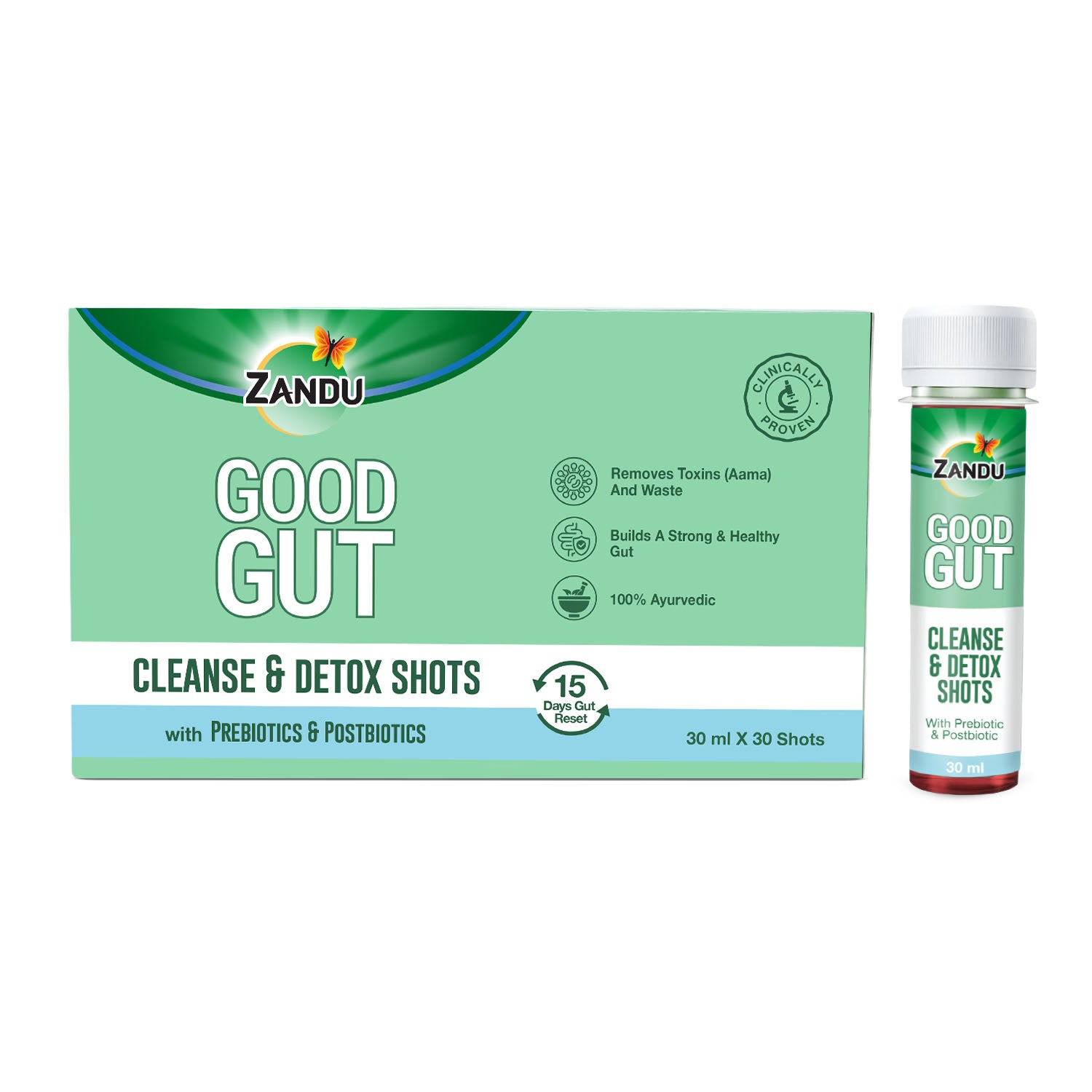
And if this heaviness and bloating keep repeating despite food and routine changes, some people choose a more structured Ayurvedic “gut reset” approach like Zandu Good Gut Cleanse & Detox Shots, a fermented Arishta process formula with prebiotics + postbiotics, typically taken as a 45-day course (1 shot twice a day) to support cleansing and restoring gut balance over time.
How to Reduce Bloating With Steady Meal Habits
If you want to know how to reduce bloating, focus on the basics first. Consistent habits usually support the gut better than occasional strong steps.
Supportive habits include:
- Eat slowly and chew well
- Keep portions moderate
- Avoid overeating, especially at night.
- Keep meal timings steady.
- Avoid long gaps followed by heavy meals.
- Reduce very oily meals if you notice heaviness.
- Avoid rushing meals while stressed.
These steps are simple, but they often reduce both heaviness and gas over time. If bloating keeps returning even after you improve your routine, you can consult Zanducare for personalised Ayurvedic guidance on food and daily habits.
Food Choices That Often Feel Easier on the Stomach
Food can affect heaviness, but so can the quantity and timing. Instead of strict rules, aim for meals that feel lighter and easier for you.
Many people feel better when they:
- Prefer warm, freshly prepared food over very cold food
- Keep oily and fried food limited if it triggers heaviness.
- Avoid very spicy meals during flare-ups of bloating.
- Choose simpler meals when digestion feels weak.
- Reduce late-night heavy eating if mornings feel heavy.
You do not need to change everything at once. One steady change is easier to follow and easier to track.
Constipation Relief Habits for Kabj-Related Heaviness
When kabj is the main cause, relief often comes from improving bowel regularity in a gentle way.
Helpful steps include:
- Maintain a steady daily routine for meals and sleep
- Include fibre-rich foods that suit your digestion.
- Drink fluids steadily through the day.
- Add gentle daily movement.
- Do not ignore the urge to pass stool.
- Avoid frequent strong laxatives without medical advice.
If constipation is severe, long-standing, or comes with pain, bleeding, or a sudden change in bowel habits, a clinician should guide you.
Alongside daily habits, focusing on ways to increase good gut bacteria naturally may support better bowel rhythm over time.
Managing Acid Reflux Along With Heaviness
If acid reflux is also present, you aim to reduce irritation and avoid triggers that increase upward movement after meals.
Supportive habits include:
- Avoid overeating, especially in the evening
- Stay upright after meals.
- Avoid lying down soon after eating.
- Keep dinner lighter if night discomfort is common.
- Reduce spicy and oily triggers if you see a pattern
- Manage stress gently, as it can affect digestion in some people.
If reflux-like symptoms are frequent, you should not depend only on home measures.
Medicines: What to Be Careful About
Some medicines may irritate the stomach in some people, and frequent self-medication can hide warning signs.
Be careful about:
- Using acidic medicines often without medical advice
- Using painkillers frequently if your stomach is sensitive
- Taking multiple remedies and medicines together
- Ignoring repeated heaviness and bloating because a quick medicine gives short-term relief
If you are using medicines regularly for any health condition, it is safer to check with a clinician before adding anything new.
When to See an Ayurvedic Clinician
Occasional heaviness after a heavy meal can happen. But frequent heaviness needs attention, especially if you are over forty.
Consider medical advice if:
- Heaviness happens after most meals
- Symptoms disturb sleep or affect appetite.
- You have repeated vomiting or ongoing nausea.
- You feel weak, dizzy, or unusually tired with digestive discomfort.
- You have black stools, blood in stools, or blood in vomit.
- You have severe pain or worsening tightness.
- You have difficulty swallowing or pain while swallowing.
- You notice unexplained weight changes.
A doctor can help identify whether the main issue is indigestion, gas, constipation, reflux-like irritation, or something else. If you want an Ayurvedic viewpoint for recurring digestive heaviness, you can also consider a ZanduCare consultation, which is free and 100% private, to discuss your symptoms and get guidance on the next right steps based on your pattern.
Conclusion
A heavy stomach after eating is often linked to indigestion, gas build-up, constipation (kabj), or reflux-like discomfort. Most people feel better when they eat slowly, keep portions moderate, reduce oily triggers, avoid lying down after meals, and support regular bowel movement.
If symptoms keep returning, disturb sleep, reduce appetite, or come with warning signs, it is safer to see a doctor and understand the cause early.
References
1. Functional Dyspepsia https://www.ncbi.nlm.nih.gov/
2. Indigestion (Dyspepsia) https://www.niddk.nih.gov/health-information/digestive-diseases/indigestion-dyspepsia

Written by

Zanducare
India’s trusted name in Ayurvedic wellness, offering time-tested solutions for today’s health and lifestyle needs. With formulations rooted in classical Ayurvedic texts and crafted using pure natural ingredients, we bring holistic care into your everyday routine.
Research by



Leave a comment
This site is protected by hCaptcha and the hCaptcha Privacy Policy and Terms of Service apply.