








Acid Reflux Foods to Avoid: Trigger Foods, Safer Swaps & Night Reflux Tips
Many people search for acid reflux foods to avoid because they feel tired of burning, sour burps, or a bitter taste in the mouth after meals. But an avoid list should not make you scared of food. Reflux triggers are personal. What irritates one person may be fine for another. The smarter approach is to learn the foods that trigger acid reflux, understand why they trigger it, and keep simple alternatives ready, especially if you get acid reflux at night.
This guide explains common trigger foods, portion tips, safer swaps for Indian kitchens, and when you should seek care.
Why the Acid Reflux Avoid List Should Stay Flexible
An avoid list works best when it is calm and flexible. It is not a punishment list. It is a way to reduce irritation while you settle your stomach.
Even major medical guidance notes that very strict “remove everything” diets are often hard to follow, and many people do better with an individual approach.
How Foods Trigger Acid Reflux
Acid reflux happens when stomach contents move upward into the oesophagus. These backflow episodes can lead to common acid reflux symptoms such as chest burning, irritation in the throat, and sour taste in the mouth.
Foods can trigger reflux in a few common ways:
- They relax the “valve” at the bottom of the food pipe, so acid can rise more easily.
- They sit heavily in the stomach, especially when meals are oily or very large.
- They irritate the food pipe when the stomach is already sensitive.
- They increase burping and pressure, which can push contents upward.
This is why the same food may be fine at lunch but troublesome at night, particularly if you struggle with acid reflux at night.
Acid Reflux Foods to Avoid and Why They Trigger Symptoms
Below are common foods that cause acid reflux for many people. The keyword is “common”, not “guaranteed”. You can also review a broader overview of acid reflux foods to compare patterns.
Deep-Fried and Very Oily Foods
These foods often feel heavy and can worsen reflux, especially at dinner.
- Typical examples: samosa, pakoda, puri, chips, bhatura, very oily gravies
- Why they may trigger: heavy meals can increase stomach pressure and slow digestion, which can worsen reflux for some people
- Safer alternatives: roasted snacks, steamed items, light dal + sabzi, less-oil tadka
Very Spicy Food and Strong Masalas
Spice tolerance is different for every person. Some can handle it, some cannot.
- Typical examples: extra chilli, spicy chutneys, Schezwan-style foods, very hot street food
- Why they may trigger: spicy meals may irritate the stomach lining, especially if you already notice stomach burning after eating spicy food
- Safer alternatives: mildly spiced home food, jeera-based seasoning, less chilli in gravies
If burning becomes frequent, it may overlap with broader patterns of stomach burning.
Very Sour and Highly Acidic Foods
Sour food is not “bad”, but during active reflux, it can feel irritating for some people.
- Typical examples: strong pickles, vinegar-heavy foods, very tangy chutneys, frequent lemon-heavy drinks
- Why they may trigger: acidic foods can worsen heartburn and may be related to underlying causes of stomach burning
- Safer alternatives: mild chutney, small portions of pickle (if it suits you), less sour gravies
Tomato-Heavy Foods
Tomato triggers are common in reflux guidance, but not everyone reacts the same way.
- Typical examples: tomato-rich curries, red sauces, pizza-style toppings, heavy tomato chutney
- Why they may trigger: Tomatoes are often listed among reflux triggers
- Safer alternatives: lighter gravies using less tomato, bottle gourd/pumpkin-based sabzi, coconut-based mild curries
Raw Onion and Garlic for Some People
Cooked onion/garlic may suit some people better than raw, especially at night.
- Typical examples: raw onion salad, raw onion in raita, heavy garlic chutney
- Why they may trigger: Onions are commonly mentioned as triggers for heartburn for some people
- Safer alternatives: well-cooked onion in a small amount, skip raw onion at dinner, choose a cucumber without onion
Tea, Coffee, and Caffeinated Drinks
Many Indians love tea. The issue is often timing and strength, not tea itself.
- Typical examples: strong tea on an empty stomach, late evening coffee, multiple cups with spicy snacks
- Why they may trigger: coffee and caffeine are commonly listed as reflux triggers for some people
- Safer alternatives: lighter tea after breakfast, avoid late-night tea, switch spicy snacks to roasted options
Carbonated Drinks and Fizzy Beverages
These can increase burping and pressure for many people.
- Typical examples: soda, fizzy cold drinks, carbonated flavoured water
- Why they may trigger: gas pressure can worsen reflux symptoms and frequent sour burps
- Safer alternatives: plain water sips, warm water, mild jeera water (if it suits you)
Chocolate and Peppermint for Some People
Not everyone in India eats these daily, but they come up often in reflux guidance.
- Why they may trigger: chocolate and peppermint are listed as common triggers in many reflux diet guides
- Safer alternatives: simple sweets in a small portion at lunch rather than late at night, avoid mint-heavy mouth fresheners if they worsen reflux
Heavy Sweets After Heavy Meals
A sweet after lunch may suit some people, but sweets after a heavy dinner can feel difficult.
- Typical examples: syrup sweets, heavy desserts after restaurant food, late-night sweets
- Why they may trigger: rich meals increase pressure and discomfort, especially in people with acid reflux at night
- Safer alternatives: smaller portion, earlier timing, choose a lighter dessert when symptoms are active
Late Night Street Food and “Combo Triggers”
Sometimes the trigger is not one food. It is a combination.
- Typical examples: spicy noodles + cold drink, pakoda + strong tea, heavy gravy + dessert
- Why they may trigger: multiple triggers together can increase irritation and pressure, and symptoms are often worse after eating and when lying down
- Safer alternatives: keep it simple, one main item + plain water, avoid mixing spicy + fizzy
Portion Tips That Matter as Much as Food
Portion size and meal timing often matter more than any single item. Even “healthy” food can trigger reflux if you overeat.
Try these realistic portion habits:
- Eat until you feel comfortably full, not stuffed
- Avoid very large drinks with meals if they make you feel heavy
- Keep dinner lighter than lunch, especially if you have acid reflux at night
- Avoid tight waistbands after meals
- Eat slowly and chew well (fast eating can increase air swallowing and burping)
Structured meal guidance, like an acid reflux diet, can help you balance portion size and timing more practically. Some people also follow a more detailed acid reflux diet plan to customise meals around personal triggers.
Safer Alternatives for Indian Kitchens
You do not need fancy foods. You need calmer versions of the same meals you already eat.
Safer Breakfast Swaps
- Instead of: oily paratha + pickle
- Try: soft phulka + light sabzi, or idli with mild sambar
- Instead of: spicy poha with lots of chutney
- Try: mildly spiced poha with less chilli and less lemon
Safer Lunch Swaps
- Instead of: heavy gravy + fried side
- Try: rice + thin dal + well-cooked sabzi
- Instead of: very tomato-rich curry daily
- Try: lauki/pumpkin/tinda sabzi with simple dal
Safer Evening Snack Swaps
- Instead of: chips/namkeen + tea
- Try: roasted makhana, murmura, roasted chana (if it suits you)
- Instead of: a cold drink with snacks
- Try: plain water sips or warm water
Safer Dinner Swaps (Very Important For Night Reflux)
- Instead of: late heavy dinner
- Try: moong dal khichdi, soup + soft phulka, rice + thin dal
- Instead of: spicy dinner “because lunch was light.”
- Try: a simple dinner and fix lunch the next day so dinner stays lighter
Acid Reflux at Night: Dinner and Bedtime Triggers
Night reflux is common because lying down can make symptoms worse, and many people eat dinner close to bedtime.
Common night triggers to reduce gently:
- Heavy dinner, especially fried and spicy
- Very late dinner
- Lying down soon after eating
- Bending to lift or clean right after dinner
- Tight clothing while sleeping
Simple bedtime habits many people try:
- Stay upright after dinner for a while
- Keep dinner mild and lighter than lunch
- Avoid late tea/coffee if it worsens your reflux
- Sleep in a position that feels comfortable and reduces pressure on the stomach
Real-Life Trigger Patterns People Commonly Notice in India
This is where many people “recognise themselves” and stop blaming only one food.
- Tea-time snacks that are oily + spicy, followed by dinner late
- Skipping lunch, then eating a heavy dinner and lying down soon after
- Restaurant gravy + dessert + cold drink on the same night
- Pickle with most meals during a flare-up
- Very sour chutneys daily, even when the throat already feels irritated
When you fix the pattern, the symptoms often feel more manageable.
A Simple Way to Find Your Personal Trigger Foods
Because triggers are personal, the best method is observation without panic.
Try this approach:
- Write down what you ate and when symptoms happened
- Reduce one likely trigger group at a time (not everything together)
- Keep meals simple for a few days, then observe
- If you add an item back, add it in a small amount and preferably at lunch rather than late at night
This gentle method avoids fear and helps you build your own acid reflux diet that fits Indian life.
When Diet Changes Are Not Enough
Diet and timing are a strong start, but some situations need medical attention.
Seek care promptly if you notice:
- Trouble swallowing or food feeling stuck
- Vomiting blood or black stools
- Severe chest pain, serious breathlessness, fainting feeling
- Unexplained weight loss or strong weakness
- Symptoms that keep worsening despite changes
If reflux keeps repeating and you want a more structured plan, some people choose a ZanduCare consultation to speak with expert Ayurvedic doctors in a private way and understand triggers, routine, and digestion patterns without guesswork.
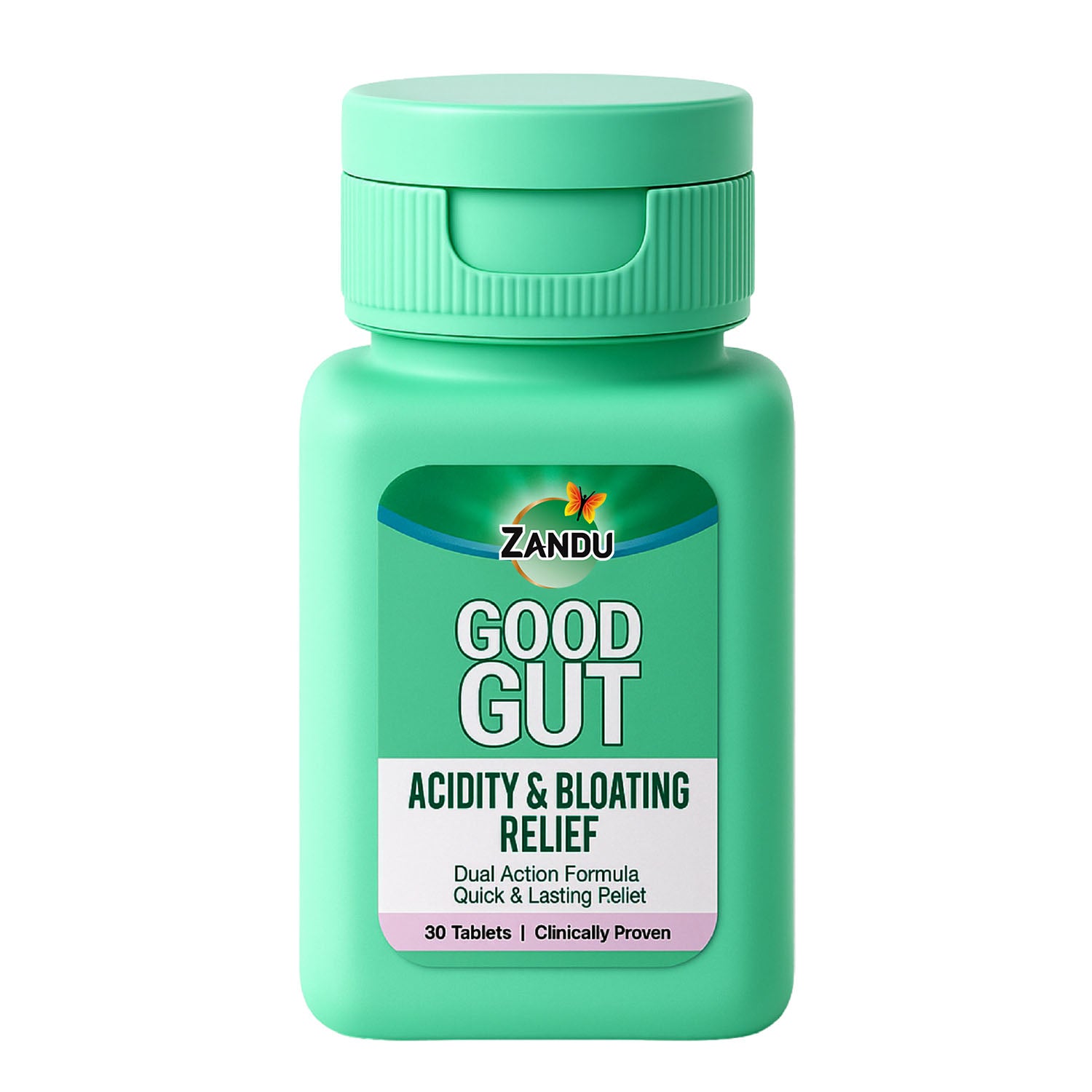
Also, when acidity comes along with gas and bloating, some people discuss an Ayurvedic option like Acidity & Bloating Tabs as part of an overall plan, instead of using random short-term measures again and again.
If food adjustments alone are not enough, reviewing structured remedies for acid reflux may help you explore the next steps safely.
Some people prefer a gradual lifestyle support and explore natural ways to treat acid reflux, especially when symptoms are mild but recurring.
If upper abdominal burning continues despite dietary correction, practical remedies for stomach burning may also provide additional support alongside medical guidance.
Conclusion
Acid reflux foods to avoid are not one fixed list for everyone. The safest approach is to reduce common triggers like deep-fried foods, very spicy meals, very sour items, carbonated drinks, and late heavy dinners, then observe what truly affects you.
Portion size, dinner timing, and staying upright after meals often matter as much as food choice, especially for acid reflux at night. Keep your meals simple, test triggers calmly, and seek care if you notice warning signs or if symptoms keep returning.
References
1. Lifestyle intervention in gastroesophageal reflux disease https://pmc.ncbi.nlm.nih.gov/articles/PMC4636482/
2. Systematic review: the impact of gastro-oesophageal reflux disease on work productivity https://pubmed.ncbi.nlm.nih.gov/16842452/

Written by

Zanducare
India’s trusted name in Ayurvedic wellness, offering time-tested solutions for today’s health and lifestyle needs. With formulations rooted in classical Ayurvedic texts and crafted using pure natural ingredients, we bring holistic care into your everyday routine.
Research by




Leave a comment
This site is protected by hCaptcha and the hCaptcha Privacy Policy and Terms of Service apply.