











Millennials vs Gen Z: Who Has Better Gut Health?
Millennials report more diagnosed digestive problems and do more to manage them. Gen Z shows more day-to-day gut disorders, like constipation and IBS, in studies that compare the two directly. No study yet proves that either generation has better gut health overall. In both groups, processed food, stress, late nights and irregular meals are the habits doing the most damage.
Millennial Gut Health
Millennials (born roughly 1981 to 1996) are the generation most likely to report gut problems and take action.
- More diagnosed problems: In a survey of 2,001 US adults, 49% of millennials said a doctor had diagnosed them with a digestive condition. That's the highest of any generation, and well above Gen Z. The most common were gastritis (24%) and IBS (22%).
- More recent symptoms: 40% of millennials had symptoms in the past month, compared with about 1 in 4 Gen Z adults.
- More doctor visits: 55% of millennials have seen a doctor about their digestion. For Gen Z, it's 39%.
- More self-care: 65% take a fibre, probiotic or vitamin supplement, and 64% have changed their diet for their gut. For Gen Z, both figures are 60%.
- Trying to improve: 45% of millennials say they are actively working on their gut health.
- More home remedies: In a two-generation study, 82.9% of millennial parents used traditional or alternative remedies to protect their health.
Gen Z Gut Health
Gen Z (born roughly 1997 to 2012) has fewer diagnoses so far. But studies point to more everyday gut trouble.
- More gut disorders: A study of high school students and their parents found functional gut disorders in 33.5% of Gen Z teens, compared with 20% of their millennial parents. Constipation was the most common problem.
- Bloating and constipation are common: In an Indian survey of urban Gen Z and millennials aged 25 to 34, 46.4% had constipation or bloating, and 32.1% had gut trouble every month.
- Stress and meal timing get the blame: In that same survey, 85.1% named stress and 64.3% named irregular eating as the main causes.
- Aware, but not always acting: 40% of Gen Z say they're trying to improve their gut health, a little behind millennials.
- Fewer home remedies: 67.4% of Gen Z teens used traditional or alternative remedies, compared with 82.9% of their millennial parents.
Why Millennials Report More Gut Problems
More diagnoses don't automatically mean worse gut health. Research and doctors point to a few clear reasons.
They're Older
Gut problems become more common with age. One gastroenterologist interviewed for the US survey said age is likely the main reason millennials report more digestive issues than Gen Z. Millennials have simply had more years to develop problems and get them diagnosed.
Life Stress Peaks in the 30s and 40s
Many millennials are juggling demanding jobs, home loans, young children and ageing parents. A review of stress and gut research found that stress changes how fast food moves through the gut and how much acid the stomach makes and is linked to IBS, reflux and ulcers. This evidence fits the high rates of gastritis and IBS reported by millennials.
They Get Checked More Often
More doctor visits mean more problems get named. Doctors say millennials are much more open about their gut health than older generations, partly because of social media. Worry about early colon cancer is also driving more check-ups.
Millennial Eating Habits
Busy schedules shape millennial eating habits more than poor food choices do. Skipped breakfasts, desk lunches, late dinners and several cups of tea or coffee a day are common.
Many also cut out foods on their own: 51% of millennials who manage their diet avoid certain foods, and 22% follow diets like gluten-free or low-FODMAP. Doctors warn that cutting out whole food groups without a medical reason can leave you short of nutrients.
Why Gen Z Has More Everyday Gut Trouble
Gen Z is young, but their daily habits are already showing up in their guts. Here's what studies link to it.
More Ultra-Processed Food

Gen Z eating habits lean heavily on packaged and fast food. A US national health survey found that children and teens got 61.9% of their calories from ultra-processed foods, compared with 53% for adults. Burgers, sweet bakery items, salty snacks and sugary drinks were among the biggest sources.
That matters for the gut. A 2025 review found that ultra-processed foods are low in fibre and contain many additives. They're linked to fewer kinds of gut bacteria, fewer helpful bacteria, a weaker gut lining and ongoing inflammation. The review also linked them to IBS.
Sugary and Fizzy Drinks
In the two-generation study, the type of drink people had most often was a risk factor for gut disorders. Soft drinks, energy drinks and sweet cold coffees are a bigger part of many young people's diets.
Late and Uneven Sleep
Going to bed late on weekends and early on weekdays confuses your body clock. In a study of about 1,000 adults, people whose sleep timing shifted by 90 minutes or more between weekdays and weekends had less healthy gut bacteria.
They also drank more sugary drinks and ate less fruit and fewer nuts. The people with this pattern were also younger on average.
More Stress and Anxiety
The gut and brain send signals to each other all the time, so stress shows up in the stomach. One US report found that Gen Z adults had the poorest mental health of any generation.
In the Indian survey, 77.8% of young adults said gut problems caused them anxiety or mood swings. Research by Zandu Care found that nearly 60% of people with poor gut health feel anxious or low on most days.
Eating While Scrolling
Meals in front of a phone or laptop are common for Gen Z. A review of many studies found that eating while distracted makes people eat more, both at that meal and later in the day. That puts an extra load on digestion.
What Both Generations Have in Common
Some gut risks are rising for both groups, and the younger you are, the higher the risk.
- Colon cancer is rising in younger people: Compared with people born around 1950, people born around 1990 have about twice the risk of colon cancer and four times the risk of rectal cancer. A second study found the steepest rises in the youngest generations.
- Too little fibre: Adults need 22 to 34 g of fibre a day, and doctors say most young adults fall short.
- Sitting all day: Research shows regular exercise supports a healthier mix of gut bacteria. Long hours at a desk or on a phone slow digestion.
- Gut problems beyond the stomach: 89.3% of young adults in the Indian survey linked poor gut health to low energy, and 57.1% reported skin problems like acne.
So, Which Generation Has the Healthier Gut?
Right now, neither generation wins clearly. Each comes out ahead on different measures.
Millennials have more diagnosed conditions and more recent symptoms, but they also see doctors more often and act on their symptoms.
Gen Z has fewer diagnoses but more everyday gut disorders in direct comparisons. Their high intake of processed food, uneven sleep and stress may lead to more problems as they get older.
The evidence also has limits:
- Only one study compares the two generations directly, and it was done in a single city in Saudi Arabia.
- Most of the other numbers come from surveys where people report their symptoms.
- Millennials are older, which on its own raises their rate of gut problems.
Habits That Help Digestive Health at Any Age

The research points to the same fixes for both generations. Small, steady changes work better than big diet overhauls.
- Add fibre slowly: Dal, rajma, chana, whole grains, fruit and vegetables. Increase it over a few weeks to avoid gas and bloating.
- Cut back on packaged food and sugary drinks.
- Keep the same sleep times on weekdays and weekends.
- Eat meals at fixed times, away from screens.
- Move every day, even if it's just a short walk after meals.
- Find a way to manage stress, like slow breathing, yoga or time outdoors.
These steps support good digestive health and a better mix of gut bacteria for millennials and Gen Z alike.
Zandu Good Gut Range for Common Gut Problems
Habits come first, but some Ayurvedic support can help with the problems both generations report most.
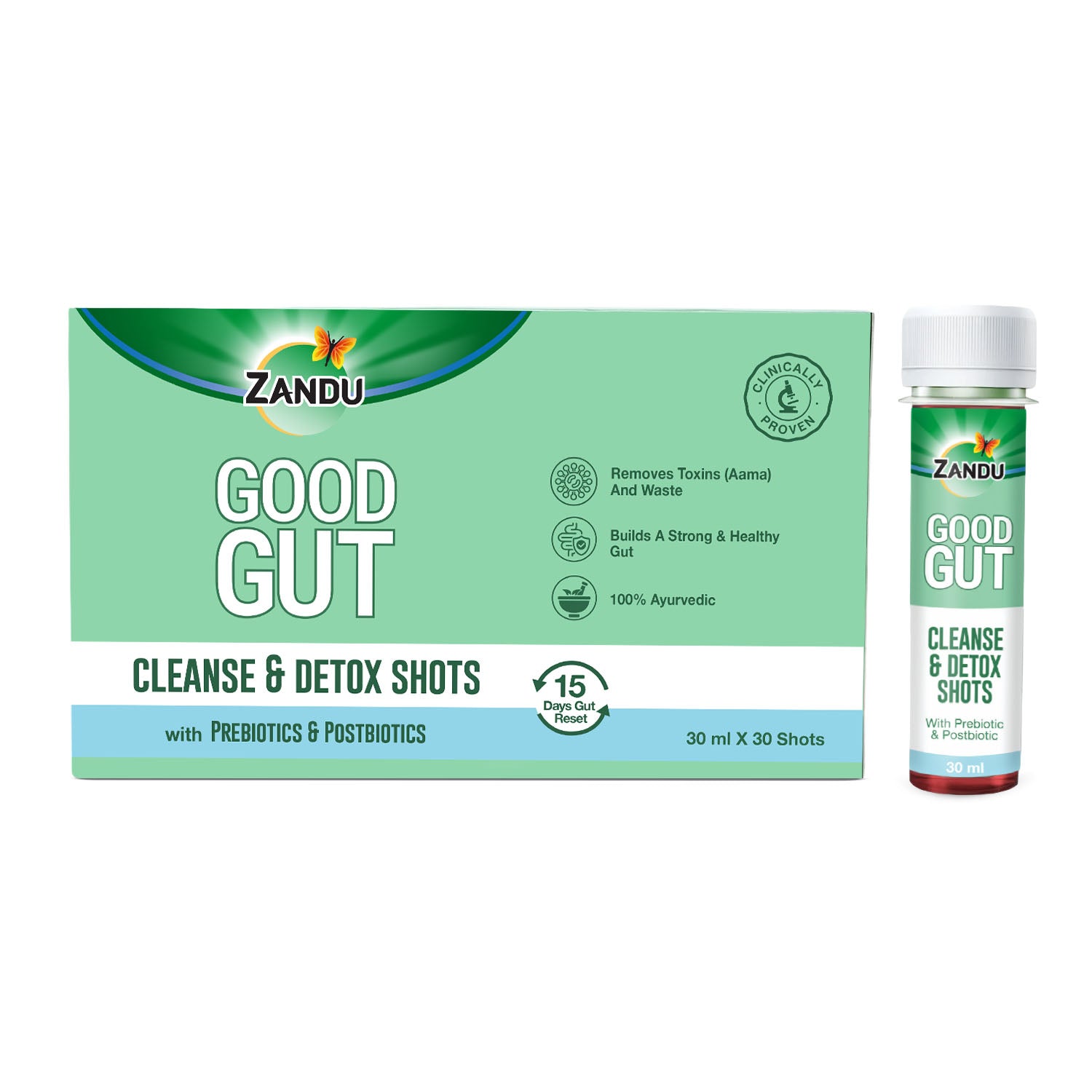
- Zandu Good Gut Cleanse & Detox Shots: For heaviness, bloating and gas from irregular meals, outside food or stress. Take 1 shot twice a day as a 45-day course. They aren't meant for acute acidity or severe constipation.
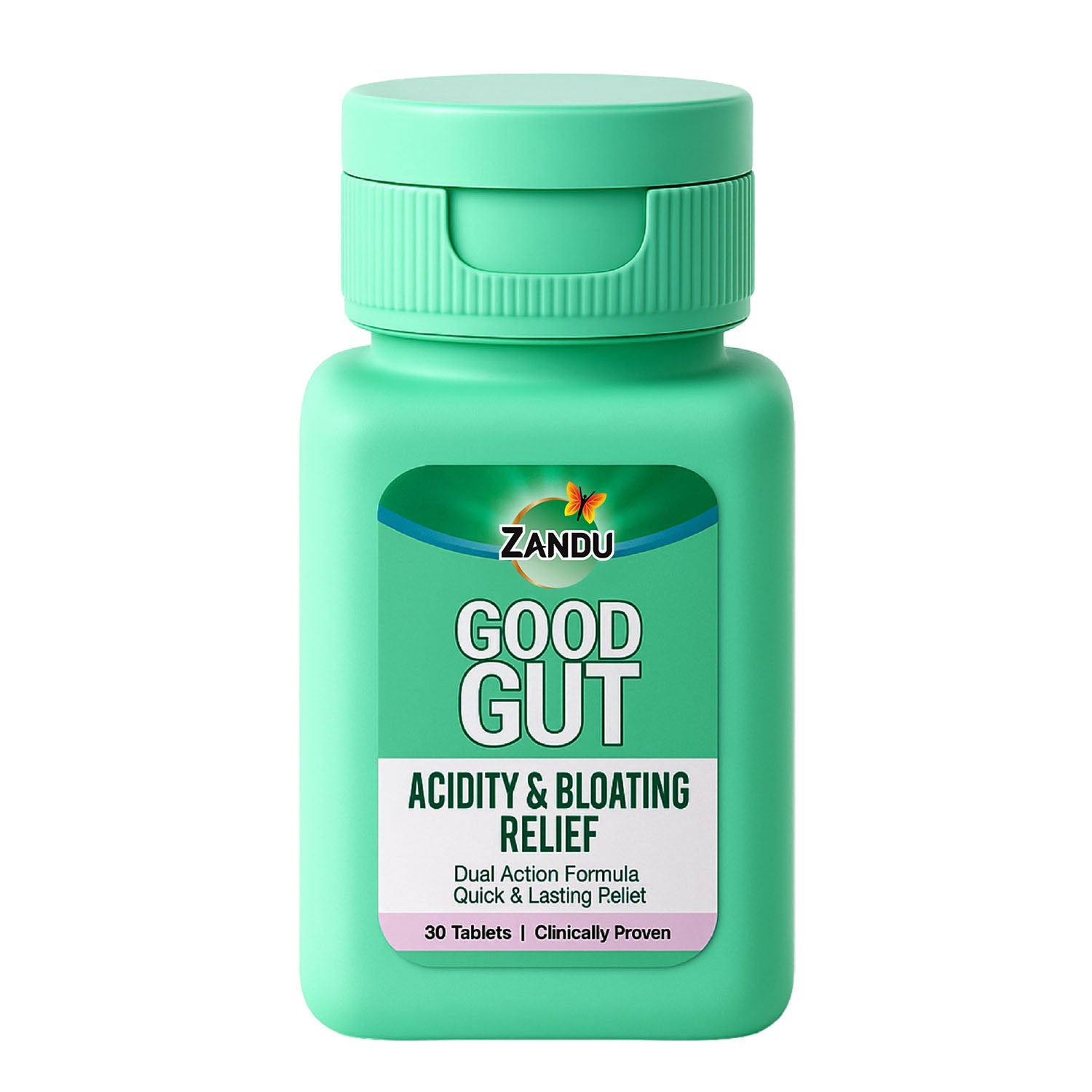
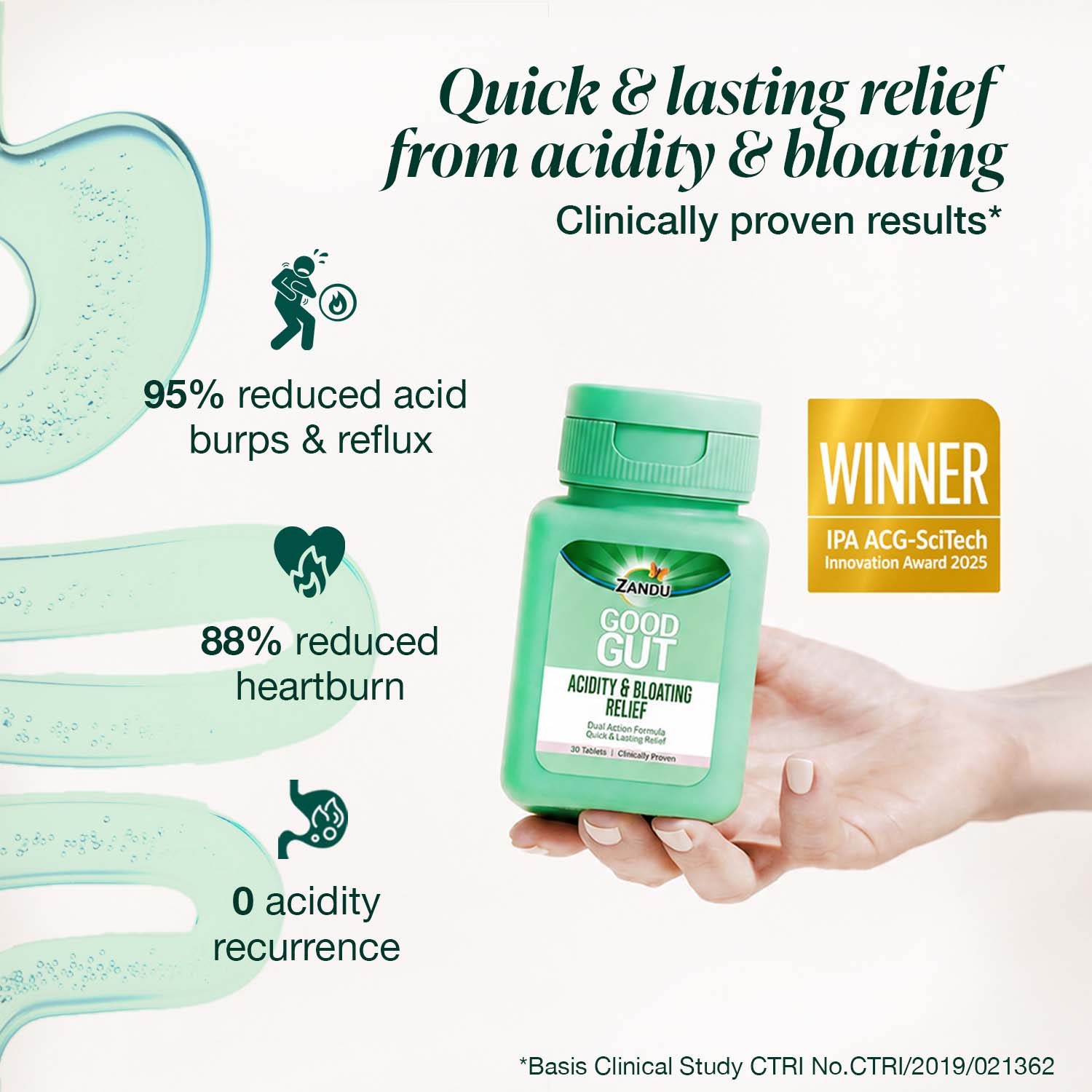
- Zandu Good Gut Acidity & Bloating Relief Tablets: For burning, sour burps and acidity after late dinners, spicy food or tea and coffee.
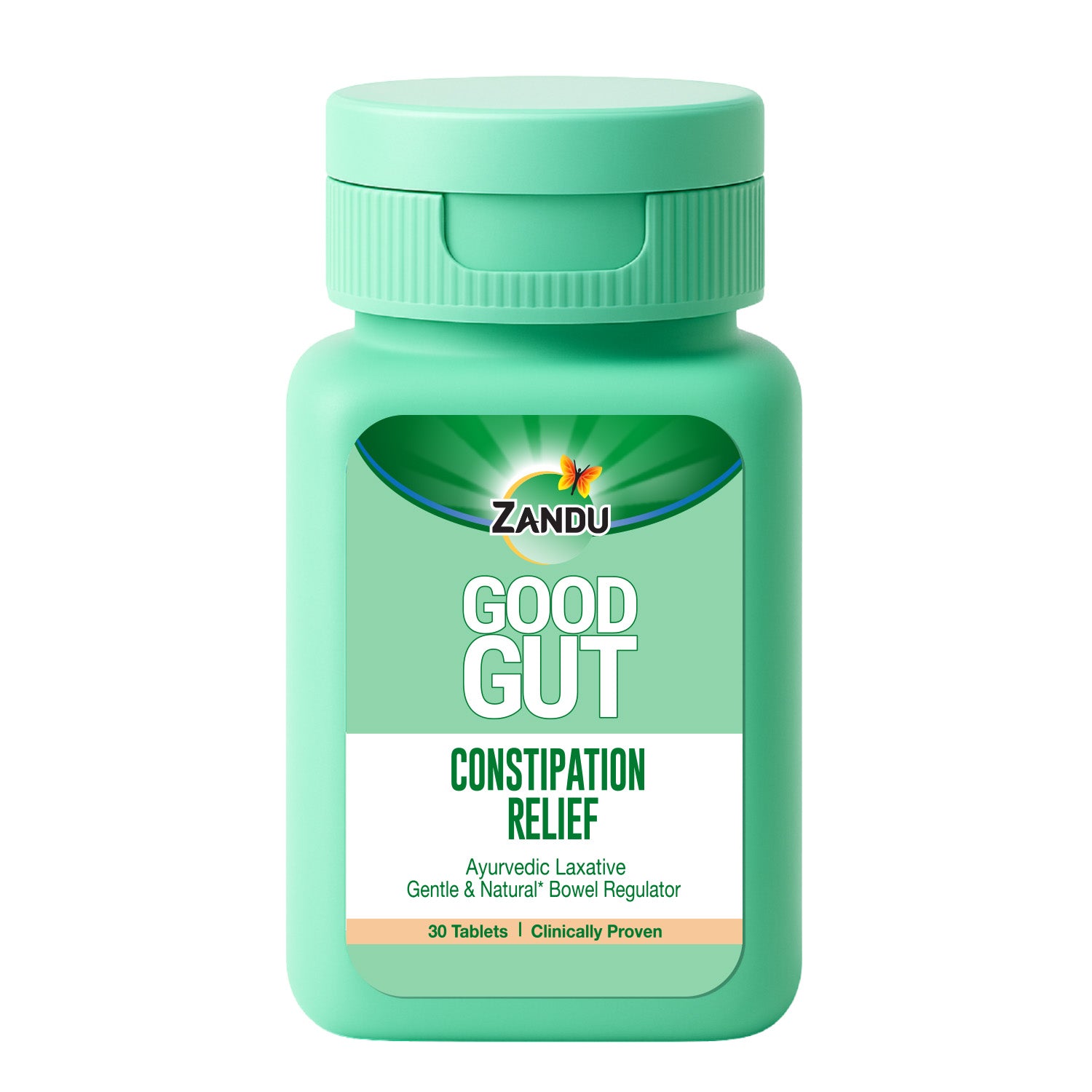
- Zandu Good Gut Constipation Relief Tablets: For hard stools, straining or missed motions. Take 1 tablet at bedtime.
Read the label before use and check with a doctor if you're pregnant, take medicines or have an ongoing health condition.
Conclusion
There's no clear winner in the millennials vs Gen Z gut health debate. What the studies do show is that both generations are dealing with gut trouble at a younger age than before.
Millennials report more diagnosed problems like gastritis and IBS, but they also see doctors more and act on their symptoms. Gen Z has fewer diagnoses so far but more constipation, bloating and everyday gut disorders. Ultra-processed food, sugary drinks, uneven sleep and stress are pushing them in that direction.
The causes are the same for both groups, and so are the fixes. More fibre, less packaged food, fixed meal times, steady sleep and less stress bring real gut health benefits: easier digestion, better energy and a calmer mind. Whichever generation you belong to, your daily habits matter more than your birth year.
References
These are the studies, surveys and sources used in this article.
- Aljaaly EA, Khatib MA. Exploring the prevalence of functional gastrointestinal diseases and the accompanied differences in dietary and lifestyle patterns: a two-generational study. Diagnostics. 2024. https://pubmed.ncbi.nlm.nih.gov/39125506/
- Hrustic A. From probiotics to squatty potties, millennials are changing the way we poop. Health.com. 2025. https://www.health.com/millennials-changing-way-we-poop-probiotics-squatty-potties-11779116
- ETHealthWorld. Around 50% of GenZ & Millennials experiencing gut health issues: Survey. 2025. https://health.economictimes.indiatimes.com/news/industry/around-50-of-genz-millennials-experiencing-gut-health-issues-survey/117115446
- GlobalData. "Fibermaxxing" helps boost fiber intake among younger consumers as 40% of Gen Z actively try to improve gut health. https://www.globaldata.com/media/consumer/fibermaxxing-helps-boost-fiber-intake-among-younger-consumers-as-40-of-gen-z-actively-try-to-improve-gut-health-says-globaldata/
- Konturek PC, Brzozowski T, Konturek SJ. Stress and the gut: pathophysiology, clinical consequences, diagnostic approach and treatment options. Journal of Physiology and Pharmacology. 2011. https://pubmed.ncbi.nlm.nih.gov/22314561/
- Williams AM, Couch CA, Emmerich SD, Ogburn DF. Ultra-processed food consumption in youth and adults: United States, August 2021-August 2023. NCHS Data Brief. 2025. https://pubmed.ncbi.nlm.nih.gov/41027400/
- Rondinella D, Raoul PC, Valeriani E, et al. The detrimental impact of ultra-processed foods on the human gut microbiome and gut barrier. Nutrients. 2025. https://pubmed.ncbi.nlm.nih.gov/40077728/
- Bermingham KM, Stensrud S, Asnicar F, et al. Exploring the relationship between social jetlag with gut microbial composition, diet and cardiometabolic health, in the ZOE PREDICT 1 cohort. European Journal of Nutrition. 2023. https://pubmed.ncbi.nlm.nih.gov/37528259/
- Foster JA, Rinaman L, Cryan JF. Stress & the gut-brain axis: regulation by the microbiome. Neurobiology of Stress. 2017. https://pubmed.ncbi.nlm.nih.gov/29276734/
- India Today. Is Gen Z actually healthier than millennials? 2026. https://www.indiatoday.in/lifestyle/wellness/story/is-gen-z-actually-healthier-than-millennials-2903782-2026-05-01
- Robinson E, Aveyard P, Daley A, et al. Eating attentively: a systematic review and meta-analysis of the effect of food intake memory and awareness on eating. American Journal of Clinical Nutrition. 2013. https://pubmed.ncbi.nlm.nih.gov/23446890/
- Siegel RL, Fedewa SA, Anderson WF, et al. Colorectal cancer incidence patterns in the United States, 1974-2013. Journal of the National Cancer Institute. 2017. https://pubmed.ncbi.nlm.nih.gov/28376186/
- Sung H, Siegel RL, Rosenberg PS, Jemal A. Emerging cancer trends among young adults in the USA: analysis of a population-based cancer registry. Lancet Public Health. 2019. https://pubmed.ncbi.nlm.nih.gov/30733056/
- Varghese S, Rao S, Khattak A, et al. Physical exercise and the gut microbiome: a bidirectional relationship influencing health and performance. Nutrients. 2024. https://pubmed.ncbi.nlm.nih.gov/39519496/
- NYGA. Why millennials and Gen Z are heading to the gastroenterologist. https://www.nygahealth.com/blog/why-millennials-and-gen-z-are-heading-to-the-gastroenterologist/
- Zandu Care. Good Gut Cleanse & Detox Shots. https://usdtlegal.com/products/zandu-good-gut-detox-shots
- Zandu Care. Good Gut Acidity & Bloating Relief Tablets. https://usdtlegal.com/products/good-gut-acidity-bloating-relief-tablets
- Zandu Care. Good Gut Constipation Relief Tablets. https://usdtlegal.com/products/constipation-relief-tablets
Written by

Zanducare
India’s trusted name in Ayurvedic wellness, offering time-tested solutions for today’s health and lifestyle needs. With formulations rooted in classical Ayurvedic texts and crafted using pure natural ingredients, we bring holistic care into your everyday routine.
Research by




Leave a comment
This site is protected by hCaptcha and the hCaptcha Privacy Policy and Terms of Service apply.