








7-Day Indian Meal Plan to Manage and Reverse Prediabetes
India is now home to an estimated 101 million people with diabetes and about 136 million with prediabetes, according to the ICMR–INDIAB national study. That means crores of Indians are already in the “warning zone” – but haven’t yet reached full-blown diabetes.
The good news: for many people, prediabetes is reversible with timely changes in diet, weight and physical activity. Structured meal plans, based on Indian foods and ICMR–NIN dietary guidelines, can significantly reduce the risk of progression from prediabetes to type 2 diabetes.
What is Prediabetes & Why It’s So Common in India
Prediabetes means your blood sugar is higher than normal, but not yet in the diabetes range. Common diagnostic cut-offs (lab may vary slightly):
- Fasting Plasma Glucose (FPG): 100–125 mg/dL
- 2-hour OGTT (after 75 g glucose): 140–199 mg/dL
- HbA1c: 5.7–6.4%
You are usually diagnosed with diabetes when:
- FPG ≥126 mg/dL, or
- 2-hour OGTT ≥200 mg/dL, or
- HbA1c ≥6.5% (confirmed on repeat)
Recent national data show that over 11% of Indian adults have diabetes and around 15% have prediabetes.
Why are Indians at a Higher risk?
- Genetic “thin–fat” phenotype – more abdominal fat even at normal BMI
- Urban lifestyle: sitting long hours, minimal walking
- High-carb traditional pattern – lots of white rice, maida, potatoes and sweets
-
BMI threshold for risk is lower: for many Indians, BMI >23 kg/m² is already high risk.
Without intervention, a large proportion of people with prediabetes progress to diabetes over 5–10 years. But lifestyle programs have shown up to 58% reduction in diabetes risk with moderate weight loss and regular exercise.
How Diet Helps to Reverse Prediabetes
Diet plays a central role in insulin sensitivity and weight management:
- Carbohydrates: Too many refined carbs → rapid sugar spikes → high insulin demand → insulin resistance.
- Complex carbs + fibre: Slower digestion and absorption, smaller spikes, better satiety.
- Protein: Helps preserve muscle, keeps you full, and blunts post-meal blood glucose rise.
- Healthy fats: Support heart health, which is crucial because diabetes & prediabetes sharply raise cardiac risk.
Most Indian diets now get 60–65% of calories from carbs, mainly refined. ICMR–NIN guidelines encourage shifting to whole grains, millets, pulses and vegetables, with a better balance of macros.
ICMR-Style Nutrition Targets for Prediabetes & Diabetes
Use this table early in your article to summarise the “rules of the game”.
|
Component |
Recommended Range (General Adult) |
Why It Helps |
Indian Examples |
|
Total Calories |
~1500–1800 kcal/day (adjust for age, sex, activity, weight) |
Mild deficit supports weight & sugar control |
Smaller carb portions, less oil & sweets |
|
Carbohydrates |
~50–55% of calories, from low/medium GI sources |
Reduces sugar spikes vs high-refined-carb diets |
Brown/red rice, jowar, bajra, ragi, daliya, oats, quinoa |
|
Protein |
~15–20% of calories (≈0.8–1 g/kg body weight/day) |
Maintains muscle, improves satiety & glucose response |
Dal, chana, rajma, sprouts, paneer, curd, tofu, eggs, fish |
|
Fats |
~25–30% of calories, mostly unsaturated |
Supports heart health; avoids harmful trans fats |
Mustard/groundnut/rice bran oil (measured), nuts & seeds |
|
Fibre |
25–40 g/day |
Slows glucose absorption, improves gut & lipids |
Vegetables, whole fruits, millets, pulses, sprouts |
|
Meal Pattern |
3 main + 2–3 small snacks (every 3–4 hours) |
Avoids long gaps, big peaks and dips in blood sugar |
Planned breakfast–lunch–dinner with healthy in-between snacks |
|
Hydration |
~2–3 L fluids/day (if not medically restricted) |
Supports metabolism, appetite & kidney function |
Water, lemon water, buttermilk, herbal/green tea (no sugar) |
Based on ICMR–NIN Dietary Guidelines 2024 and Indian diabetes guidance.
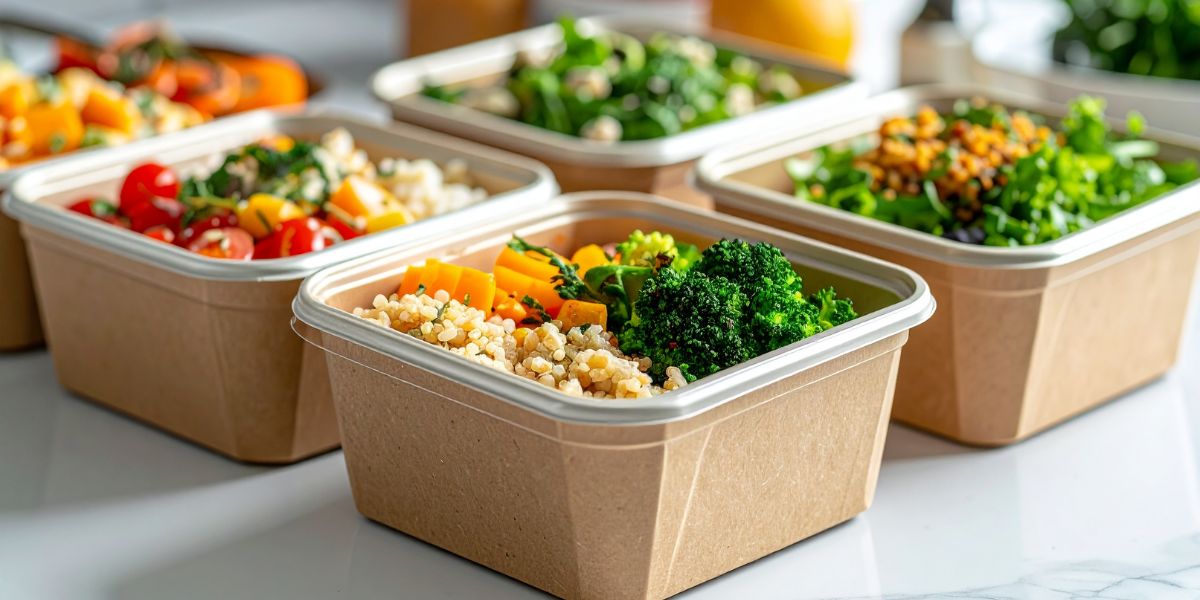
7-Day Indian Meal Plan (1500–1800 kcal)
Below is a compact overview table, followed by quick day-wise notes. Portions are for an average moderately active adult; you’ll adjust roti/rice/fruit portions as per doctor/dietitian advice.
|
Day |
Breakfast |
Mid-Morning |
Lunch |
Evening Snack |
Dinner |
|
1 |
Oats in skim milk + apple + almonds |
Cucumber + hung curd dip |
Brown rice + moong dal + mixed veg sabzi + salad |
Roasted chana |
2 phulkas + palak paneer (low-fat) + cucumber raita |
|
2 |
Besan cheela (2) + mint-curd chutney |
Guava/pear |
Quinoa–moong dal khichdi + bhindi sabzi + curd |
Boiled egg/sprouts salad |
Grilled fish/tofu + methi sabzi + 1 whole-wheat roti |
|
3 |
Idli (3) + veg sambar + light coconut chutney |
Carrot sticks + hummus |
Jowar rotis (2) + chana masala + cabbage-onion salad |
Curd + pomegranate |
Brown rice veg pulao + rajma + salad/raita |
|
4 |
Veg poha with peanuts |
Apple with cinnamon |
Whole-wheat chapatis (2) + arhar dal + lauki sabzi + salad |
Roasted makhana |
Stuffed capsicum (paneer+veg) + 1 multigrain roti |
|
5 |
Spinach–banana–flaxseed smoothie (curd base) |
Orange/sweet lime |
Fish/soya curry + brown rice + leafy veg sabzi |
Pumpkin seeds (small handful) |
Mixed lentil soup + 1 phulka/whole-grain toast + salad |
|
6 |
Veg upma (suji or preferably daliya) |
Beetroot–carrot salad |
Ragi dosas (2) + chickpea curry + tomato chutney |
Low-fat paneer cubes |
Veg stir-fry + quinoa (½ cup) |
|
7 |
Multigrain toast + natural peanut butter |
Papaya/kiwi |
Brown rice (½ cup) + dal + lauki/tori sabzi + curd |
Mixed unsalted nuts |
Grilled chicken/soya chunks + broccoli stir-fry + 1 phulka |
Most days will land around 1500–1800 kcal, depending on portion sizes and oil used.
Short Day-wise Highlights
You can keep these as bullets under the plan.
-
Day 1 – High Fibre Foundation
Oats, dal, brown rice, vegetables → aim for 30–35 g fibre to flatten glucose spikes.
-
Day 2 – Protein Emphasis
Besan, quinoa–dal, sprouts/egg, fish/tofu → about 60 g protein, better satiety and lean mass support.
-
Day 3 – Antioxidant-Rich
Sambar, chana, rajma, colourful salad and fruits → boost vitamins, minerals and gut health.
-
Day 4 – Controlled Carbs, Familiar Foods
Poha, chapati–dal–lauki, stuffed capsicum → show that “ghar ka khana” can be diabetic-friendly.
-
Day 5 – Omega-3 Focus
Flax seeds, fish/soya, seeds snack → anti-inflammatory fats, heart protection.
-
Day 6 – Millet Variety
Ragi and quinoa → improve nutrient diversity and lower glycemic load.
-
Day 7 – Light & Sustainable
Simple toast, dal-chawal combo, grilled protein → easy to repeat weekly.
Customising the Plan
1. Vegetarian / Vegan Options
- Swap fish/chicken/egg with:
- Paneer, tofu, tempeh, soy nuggets, extra dal or sprouts
- Make sure each main meal includes:
- ~1 cup cooked dal/legumes or
- ~50–75 g paneer/soy
2. For Weight Loss & Better Insulin Resistance
Evidence from large lifestyle trials shows that losing 5–7% of body weight and doing ~150 minutes/week of activity can reduce diabetes risk by around 40–58%.
- Reduce cereal portion by ¼–⅓ (less rice/roti), don’t cut proteins/veggies.
- Avoid liquid calories (juices, sugary tea/coffee, soft drinks).
- Use measured oil – total visible oil ≈2–3 tsp/day unless otherwise advised.
3. For Higher Calorie Needs
- Add ½ roti or ¼ cup extra brown rice/millet at lunch or dinner.
- Add one more snack:
- e.g., a fruit + small handful of nuts, or paneer cubes/sprouts.
4. Gluten-Free or Lactose-Free
- Gluten-free: millets (jowar, bajra, ragi), rice, quinoa instead of wheat.
- Lactose-intolerant: switch to curd/buttermilk (often better tolerated) or unsweetened almond/soy milk.
Lifestyle Add-Ons: Beyond the Plate
Diet alone is powerful, but diet + exercise + sleep + stress management is where reversal becomes realistic.
1. Physical Activity
- 150 minutes/week of moderate cardio
- Brisk walking 30 minutes × 5 days/week
- 2–3 days/week of strength training
- Body-weight exercises, resistance bands, light dumbbells
- Post-meal walking:
- 10–15 minutes slow-to-brisk walk after meals can significantly reduce post-meal glucose.
2. Sleep & Stress
- Aim for 7–9 hours of sleep – poor sleep worsens insulin resistance.
- Manage stress:
- Yoga, pranayama, meditation, mindful breathing, short breaks from screens.
3. Routine Monitoring
- Fasting & 2-hour post-meal sugars as advised
- HbA1c every 3–6 months to track long-term control
- Track weight & waist circumference weekly.
When You Must See a Doctor/Dietitian
Don’t self-manage if:
- Fasting sugar is consistently ≥126 mg/dL
- HbA1c is ≥6.5% or rising rapidly
- You notice readings >250 mg/dL, repeated lows, or symptoms (blurred vision, increasing urination, excessive thirst, numbness in feet)
- You are pregnant, have kidney, heart or liver disease
A qualified diabetologist and registered dietitian can:
- Individualise your calorie & carb allowance
- Adjust this plan to your medications (especially insulin)
- Help you manage festivals, travel and eating out without losing control
Expected Long-Term Outcomes
If you follow a balanced, calorie-controlled, high-fibre Indian diet like this 7-day plan, plus regular exercise:
- 5–7% body-weight loss over ~3–6 months is realistic for many adults.
- In clinical trials and real-world programs, such lifestyle changes have led to 40–58% reduction in progression from prediabetes to diabetes.
- You’re also likely to see improvements in:
- Blood pressure
- LDL cholesterol & triglycerides
- Energy levels & quality of life
Given that India already has over 100 million people with diabetes and around 130+ million with prediabetes, such preventive meal plans are crucial at both the individual and public health levels.
Final Takeaway
Managing prediabetes through this 7-day Indian meal plan is a proactive, evidence-backed step toward health restoration. By prioritising whole foods, portion control, and ICMR-guided principles, you can reverse elevated blood sugars, mitigate risks, and foster lifelong wellness. Commit to these changes, monitor progress, and consult professionals for personalised tweaks, your journey to diabetes prevention starts with mindful eating today.
References
1.Diabetes Prevention Program
https://pmc.ncbi.nlm.nih.gov/articles/PMC1282458/
2. Lifestyle and the Prevention of Type 2 Diabetes
Written by

Zanducare
India’s trusted name in Ayurvedic wellness, offering time-tested solutions for today’s health and lifestyle needs. With formulations rooted in classical Ayurvedic texts and crafted using pure natural ingredients, we bring holistic care into your everyday routine.
Research by


Leave a comment
This site is protected by hCaptcha and the hCaptcha Privacy Policy and Terms of Service apply.