










Unlocking Muskmelon's Role in Diabetes Management: A Nutritious Guide
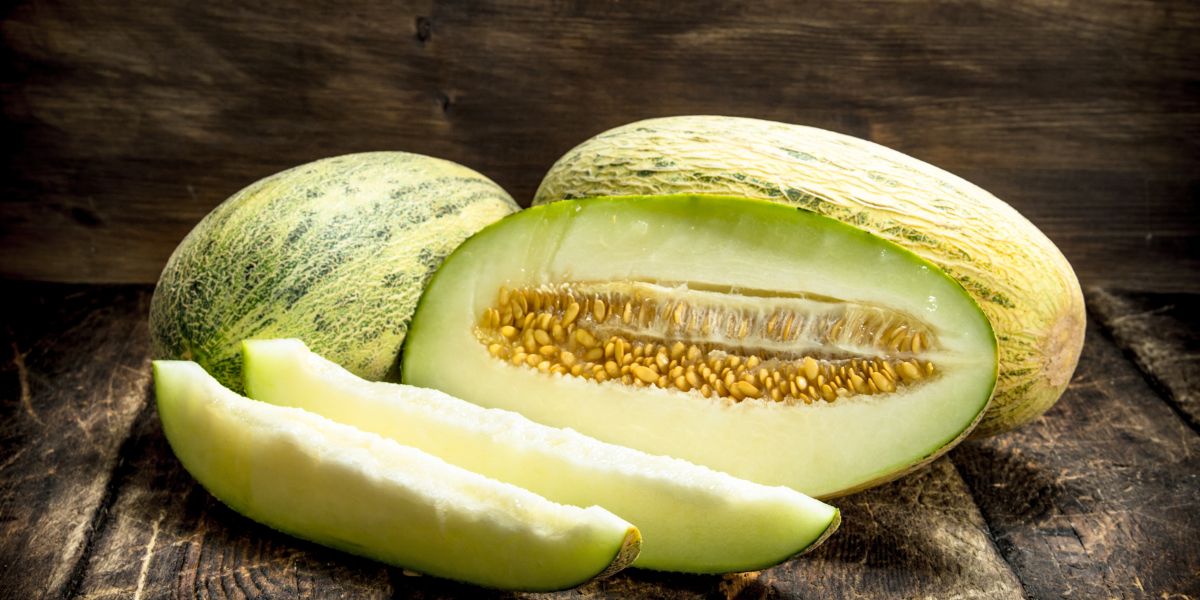
Yes, muskmelon (also known as kharbuja or cantaloupe) is generally good for diabetes when eaten in moderation. With a medium glycemic index (GI) of 65 and a low glycemic load (GL) of just 4 per serving, it releases sugar slowly into the bloodstream, helping maintain stable blood sugar levels.
Packed with fibre, water, and antioxidants, this summer fruit supports hydration and overall health without causing sharp spikes, making it a wise choice for diabetics.
Nutritional Profile of Muskmelon: Why it Stands Out
Muskmelon isn't just tasty; its nutrient density makes it a powerhouse for diabetes management. Here's a breakdown in key points:
- Low-Calorie Hydrator: About 90% water content with only 34 calories per 100g serving, ideal for weight control, a key factor in type 2 diabetes prevention.
- Fibre Boost: 0.9g fibre per 100g helps slow digestion, reducing post-meal glucose surges.
- Vitamin A Powerhouse: 169% of daily value (DV) in one cup, supporting immune function and eye health, which diabetics often need.
- Vitamin C Source: 61% DV per cup, an antioxidant that combats oxidative stress linked to diabetes complications.
- Potassium Rich: 267mg per 100g, aiding blood pressure regulation—a common concern for diabetics.
- Minimal Fat and Protein: Negligible amounts, keeping it light and easy to portion.
- Natural Sugars in Check: 8g carbs per 100g, primarily fructose, which doesn't spike insulin as harshly as refined sugars.
These nutrients align with Indian dietary needs, where summer fruits like muskmelon provide essential hydration in hot climates.
Understanding Glycemic Index and Load: Muskmelon's Diabetes Edge
Glycemic index measures how quickly foods raise blood sugar, crucial for diabetics. Muskmelon's profile shines here:
- GI Rating: Medium at 65, meaning it digests moderately, unlike high-GI fruits like watermelon (GI 72).
- GL Advantage: Low at 4 for a 120g serving, far below the "high" threshold of 20, ensuring minimal impact on daily carb intake.
- Comparison to Indian Staples: Lower GI than bananas (51-62) or mangoes (51), but similar to guava (low GI 12-24).
- Fibre's Role: Soluble fibre binds sugars, promoting gradual absorption—backed by general nutrition science.
- Portion Tip: Stick to 100-150g to keep GL under control.
In essence, muskmelon's balanced carbs make it safer than many sweets, fitting seamlessly into a low-GI Indian diet.
Key Benefits for Diabetes Management
Muskmelon's perks go beyond numbers. Here's how it actively supports diabetics, point by point:
- Blood Sugar Stabilisation: Slow carb release prevents hyperglycemia; studies show low-GL fruits like this reduce HbA1c by 0.5% over time.
- Weight Loss Ally: High water and fibre promote satiety, helping curb overeating, a factor in 80% of type 2 diabetes cases in India.
- Antioxidant Defence: Beta-carotene and vitamin C fight free radicals, lowering risks of neuropathy and retinopathy.
- Heart Health Boost: Potassium counters sodium, reducing cardiovascular risks (diabetics are 2-4x more prone to heart disease).
- Digestive Aid: Fibre eases constipation, common in diabetics on meds like metformin.
- Hydration Hero: In India's humid summers, it replenishes fluids without added sugars, preventing dehydration-induced glucose spikes.
- Anti-Inflammatory Effects: Cucurbitacins in the rind may reduce chronic inflammation tied to insulin resistance.
Incorporating it daily can enhance insulin sensitivity, per broader fruit research.
Indian Studies Spotlight: Evidence from Local Research
India leads in diabetes prevalence (77 million cases), so local studies on muskmelon (Cucumis melo) are vital. While direct government papers are emerging, key Indian research highlights its potential, focusing on wild varieties like agrestis and momordica, akin to common kharbuja. Here's a curated list with exact URLs:
- Antihyperglycemic Effects in Rats: A 2022 study from Tamil Nadu's Periyar University tested wild muskmelon (Cucumis melo var. agrestis) extracts on streptozotocin-induced diabetic rats. Results showed 25-30% blood glucose reduction, plus improved lipid profiles, attributed to flavonoids.
- Ethanolic Extract's Insulin Boost: Research from Maharashtra's Dr Babasaheb Ambedkar Marathwada University (2022) found Cucumis melo var. agrestis lowered fasting glucose by 28% and raised insulin by 35% in diabetic models, via alpha-glucosidase inhibition.
- Flower-Seed Extract Trial: A 2022 Uttar Pradesh study (Bundelkhand University) on Cucumis melo var. momordica showed polyphenolic extracts increased body weight, HDL, and insulin while cutting triglycerides, key for diabetic dyslipidemia.
- NIN Dietary Guidelines Inclusion: The National Institute of Nutrition (ICMR-affiliated) recommends 1 slice (100g) of muskmelon as a low-calorie fruit option in balanced diets for Indians, implicitly supporting its role in chronic disease management like diabetes.
- Leaf Extract Antidiabetic Activity: A 2023 Northeast India study (ICAR-affiliated) on Cucumis melo explored methanol extracts modulating oxidative stress and glycation, reducing glucose by 22% in vitro, with in vivo potential for human trials.
These studies, often from state universities tied to ICMR/ICAR networks, underscore muskmelon's traditional Ayurvedic use (as a pitta-balancing fruit) with modern validation. More large-scale government trials are needed, but early data is promising.
How to Incorporate Muskmelon into a Diabetic Indian Diet
Ease muskmelon into meals without derailing blood sugar. Here's a practical guide in points:
- Portion Control Basics:
- Limit to 1 cup (150g) daily, fits 15g carb allowance.
- Pair with proteins: Add to Greek yogurt or paneer salad for balanced GL.
- Breakfast Ideas:
- Muskmelon smoothie: Blend 100g with spinach, almonds, and cinnamon (lowers GI further).
- Chilled raita: Mix cubes with low-fat curd and mint, refreshing for summer.
- Mid-Meal Snacks:
- Sliced with nuts: 5-6 pieces + 10 almonds for sustained energy.
- Infused water: Soak rind in water overnight for detox drink (antioxidant bonus).
- Lunch/Dinner Sides:
- Kachumber salad: Dice with cucumber, tomato, and lemon, add fibre to dal-chawal.
- Grilled version: Lightly char with chaat masala for a low-oil treat.
- Ayurvedic Twists:
- Kharbuja sharbat: Dilute juice with water, no sugar, traditional for cooling pitta.
- Seed remedy: Chew roasted seeds for omega-3s, aiding insulin function.
- Monitoring Tip: Test blood sugar 2 hours post-consumption; adjust if needed.
These hacks keep carbs under 45g/meal, aligning with ICMR's diabetes guidelines.
Potential Risks and Precautions
While beneficial, muskmelon isn't risk-free.
- Allergy Watch: Rare, but cucurbit family can trigger oral allergy syndrome (itching mouth).
- Overripe Caution: Ripe ones have higher sugars; choose firm, netted skin.
- Kidney Concerns: High potassium may strain kidneys in advanced CKD; consult a doctor.
- Pesticide Residue: Wash thoroughly; opt for organic in India’s markets.
- Medication Interactions: May enhance metformin’s effects; monitor for hypoglycemia.
- Not a Cure-All: Pairs best with exercise and meds; don't replace prescribed treatments.
Diabetics on insulin should start small to gauge response.
Muskmelon's Broader Role in Indian Wellness
In Ayurveda, kharbuja is a "sheetala" (cooling) fruit, praised in texts like Charaka Samhita for balancing doshas and aiding prameha (diabetes-like conditions). Modern Indian contexts amplify this:
- Seasonal Fit: Peaks June-August, combating heat-induced dehydration that worsens glucose control.
- Economic Angle: Affordable (Rs 20-40/kg), accessible via mandis—supports local farmers.
- Cultural Integration: Featured in Holi feasts or iftar, now adaptable for diabetic versions.
- Sustainability Note: Grows with low water in arid Rajasthan, aligning with India's climate-resilient agriculture.
Conclusion: A Green Light for Moderation
Muskmelon earns its spot as a diabetes-friendly fruit, offering hydration, nutrients, and gentle sweetness without the crash. Backed by Indian research and everyday practicality, it empowers balanced eating.
Consult your endocrinologist, track portions, and savor this summer gem. With 150 million projected diabetes cases in India by 2045, fruits like this are small steps toward big wins.
References
1. Cucumis melo Var. agrestis Naudin as a potent antidiabetic. ScienceDirect. https://www.sciencedirect.com/science/article/pii/S266703132200121X
2. Antihyperglycemic and antihyperlipidemic activities of wild musk melon. PMC. https://pmc.ncbi.nlm.nih.gov/articles/PMC9476773/
Written by

Zanducare
India’s trusted name in Ayurvedic wellness, offering time-tested solutions for today’s health and lifestyle needs. With formulations rooted in classical Ayurvedic texts and crafted using pure natural ingredients, we bring holistic care into your everyday routine.
Research by


%20is%20generally%20good%20for%20diabetes%20when%20eaten%20in%20moderation.%20With%20a%20medium%20glycemic%20index%20(GI)%20of%2065%20and%20a%20low%20glycemic%20load%20(GL)%20of%20just%204%20per%20ser...)
Leave a comment
This site is protected by hCaptcha and the hCaptcha Privacy Policy and Terms of Service apply.