










Article: Ultra-Processed Foods and Gut Microbiome: How Modern Diet Harms Digestion
Ultra-Processed Foods and Gut Microbiome: How Modern Diet Harms Digestion
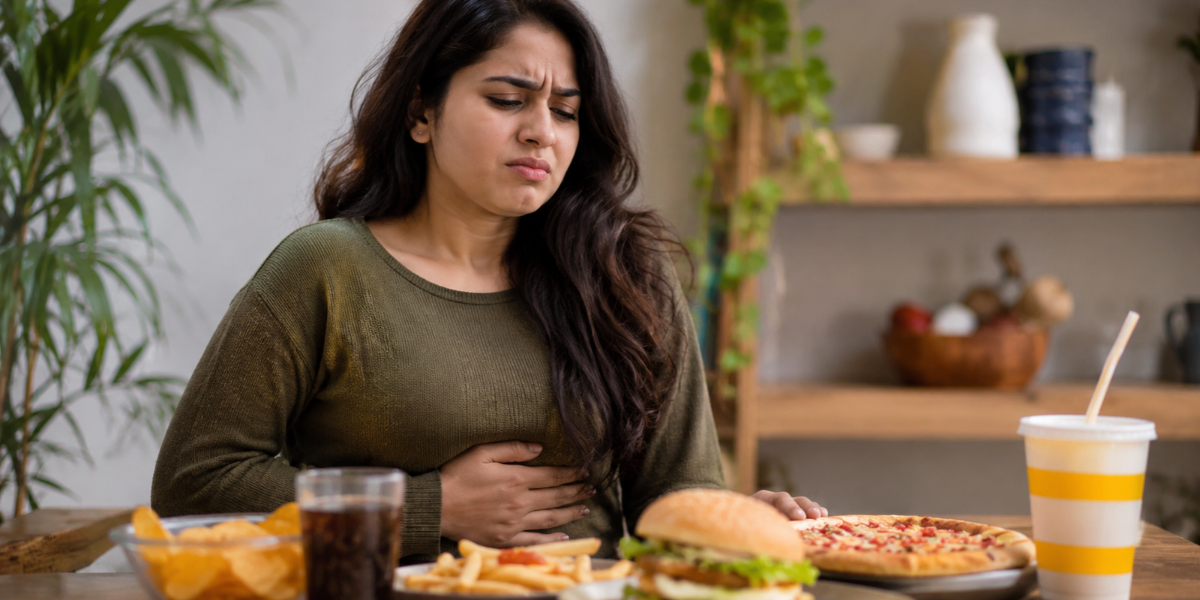
Ultra-processed foods (UPFs) harm digestion by starving the good bacteria in your gut, wearing down the protective lining of your intestine and triggering long-term inflammation. They are low in fibre and high in sugar, unhealthy fats and additives like emulsifiers and artificial sweeteners.
Together, these upset your gut bacteria and are linked to bloating, constipation, IBS and a higher risk of gut disease.
Here is what research has found so far:
- IBS: A study of 33,343 French adults found that people who ate the most ultra-processed food had a 25% higher chance of having irritable bowel syndrome (IBS) than those who ate the least.
- Gut disease: A large review of 24 studies with over 40 lakh people found that eating more ultra-processed food was linked to a 13% higher risk of inflammatory bowel disease (IBD). For Crohn's disease, the risk went up by 19%.
- Less variety of gut bacteria: In a 3-week trial, people on a diet high in ultra-processed food ended up with fewer types of gut bacteria and more constipation than people eating freshly made food. Both groups ate the same calories and similar nutrients.
- How common they are: In many high-income countries, ultra-processed foods now make up more than half of the calories people eat each day.
What Are Ultra-Processed Foods?
Ultra-processed foods are factory-made products built mostly from refined ingredients and additives that you would not normally use in a home kitchen.
Experts usually group foods using the NOVA system, which sorts food by how much it has been processed:
- Unprocessed or minimally processed: Fresh fruits, vegetables, grains, dal, eggs, milk and meat
- Processed cooking ingredients: Oil, ghee, salt, sugar
- Processed foods: Simple foods made with a few added ingredients, like paneer, pickles or freshly baked bread
- Ultra-processed foods: Packaged and ready-to-eat products made with added colours, flavours, emulsifiers, preservatives, hydrogenated oils or protein isolates
Common examples include:
- Chips, packaged namkeen and cream biscuits
- Instant noodles and instant soups
- Soft drinks, energy drinks and packaged fruit drinks
- Sugary breakfast cereals
- Sausages, salami and other processed meats
- Packaged bread, cakes and pastries with a long shelf life
- Frozen ready-to-eat meals
Most of these are high in added sugar, salt, refined flour and unhealthy fats. Almost all of them are low in fibre.
What Your Gut Microbiome Does
Your gut microbiome is the trillions of bacteria and other microbes that live in your intestines. They help with digestion, immunity, metabolism and even mood.
When this community is healthy, the good bacteria break down fibre and make short-chain fatty acids. These are small compounds that feed the cells lining your gut and keep that lining strong and calm inflammation.
When the balance tips the wrong way, doctors call it dysbiosis. Harmful bacteria grow, good bacteria shrink, and the gut becomes more prone to inflammation and poor digestion.
One expert compares a healthy gut to a forest: the more types of microbes you have, the better your gut copes with stress, illness or a bad diet.
How Ultra-Processed Foods Damage the Gut Microbiome
Ultra-processed foods affect your gut in several ways at once. Here is what each part of these foods does.
They Starve Good Bacteria of Fibre
Fibre is the main food for the helpful bacteria in your large intestine. Ultra-processed foods have most of their natural fibre removed during processing.
Without enough fibre, the good bacteria have less to eat, and their numbers drop, so you end up with fewer types of bacteria. A Spanish study of 186 adults found that people who ate more than 5 servings of ultra-processed food a day had fewer bacteria that make short-chain fatty acids, like Roseburia and Lachnospira. They also had more bacteria linked to metabolic problems than people who ate fewer than 3 servings a day.
Emulsifiers Wear Down the Gut Lining
Emulsifiers help oil and water mix. They keep ice cream smooth, packaged bread soft and cakes moist for longer. One analysis found emulsifiers in about half of the products checked in UK supermarkets.
Normally, a layer of mucus keeps gut bacteria at a safe distance from your gut wall. Studies suggest emulsifiers can thin this layer:
- In mice: Low doses of two common emulsifiers, carboxymethylcellulose (CMC) and polysorbate 80, pushed bacteria closer to the gut wall. This led to low-grade inflammation, weight gain and blood sugar problems. Mice already prone to gut disease got more severe inflammation.
- In people: In a controlled trial, healthy adults ate either an emulsifier-free diet or the same diet with 15 g of CMC a day for 11 days. The CMC group had slightly more stomach discomfort after meals, fewer types of gut bacteria and lower levels of short-chain fatty acids. In 2 of them, bacteria had moved into the inner mucus layer, which is normally free of them.
When this lining weakens, the gut becomes "leaky". Bits of bacteria can pass into the blood and trigger inflammation across the body.
Sugar and Artificial Sweeteners Feed the Wrong Bacteria

Many ultra-processed foods are loaded with added sugar or sugar substitutes like aspartame, sucralose and saccharin.
- A well-known study found that artificial sweeteners changed the gut bacteria of mice in a way that raised their blood sugar. Some people who were given saccharin showed the same pattern.
- Studies on sucralose in mice found it lowered butyrate, a short-chain fatty acid that protects the gut.
- Lab studies suggest high amounts of sucralose and aspartame can damage the cells lining the gut and make the gut barrier leakier.
Results in people are mixed. Some studies show changes in gut bacteria, and some don't. The effect may depend on how much you take, for how long and on your own gut.
Unhealthy Fats Fuel Inflammation
Ultra-processed foods are often high in saturated fat, trans fats and hydrogenated oils, which are added to improve taste, texture and shelf life.
Diets high in this kind of fat reduce helpful bacteria like Bifidobacterium and increase bacteria linked to inflammation. They also raise inflammatory markers in the body and increase the amount of bacterial toxins that reach the blood.
Factory Processing Changes the Food Itself
How these foods are made also matters. High-heat methods used for snacks, cereals and processed meats can create harmful compounds and damage fats and proteins. Making oils solid through hydrogenation produces trans fats.
That is why the low-UPF diet in the 3-week trial worked better for the gut even though both diets had similar nutrients. The fresh-food diet had more types of fibre from whole foods and far fewer additives than the ultra-processed diet.
Digestive Problems Linked to Ultra-Processed Foods
When your gut bacteria and gut lining are under stress, you start to notice it in your digestion. Here is what studies have linked to a diet high in ultra-processed food.
Bloating, Gas and Stomach Discomfort
In the 3-week trial, people whose gut bacteria became less varied also reported more bloating and stomach pain. In the emulsifier trial, CMC alone was enough to raise stomach discomfort after meals in healthy adults.
Constipation
Low fibre leads to harder stools and slower bowel movements. The high-UPF group in the 3-week trial had more constipation than the group eating fresh food.
Irritable Bowel Syndrome (IBS)
In the French study of 33,343 adults, ultra-processed food made up about a third of the calories people ate. Those in the top quarter for ultra-processed food intake had a 25% higher chance of IBS than those in the bottom quarter.
Crohn's Disease and Inflammatory Bowel Disease
Large studies from several countries continue to find that people who eat more ultra-processed food are more likely to develop Crohn's disease. The link with ulcerative colitis is weaker and often not significant.
Diet changes also seem to help people who already have Crohn's. In one trial, 49.4% of people with Crohn's on a low-emulsifier diet saw their symptoms improve, compared to 30.7% of those on their usual diet.
Effects Beyond the Gut
Your gut talks to the rest of your body, so damage there doesn't stay there.
- Mood: A review of 26 studies with over 2.6 lakh people found that eating more ultra-processed food was linked to a 28% higher risk of depression. Every 10% rise in the share of daily calories from these foods raised the risk by 11%. The review found no clear link with anxiety.
- Blood sugar and weight: Emulsifiers and sweeteners change gut bacteria, which raises the risk of obesity, type 2 diabetes and fatty liver.
- Cancer: A French study of nearly 1.05 lakh adults found that a 10% rise in the share of ultra-processed food in the diet was linked to a 13% higher risk of cancer overall. It found no clear link with colorectal cancer.
Most of these are observational studies. They show a link, not proof that ultra-processed food is the direct cause.
What Research by ZanduCare Found
Research by ZanduCare shows that gut trouble often hides behind habits people think are healthy enough:
- A daily bathroom visit isn't proof of a healthy gut. Nearly 1 in 2 people still struggle to fully empty their bowels, and more than half still feel food sitting in their stomach hours after eating.
- Fermented foods alone may not fix it. Among people who eat fermented foods, 3 in 5 still struggle to have complete bowel movements regularly, and more than half still don't have smooth, easy stools.
- A struggling gut can show up elsewhere. Nearly 3 in 4 people with a poor gut health score said they feel tired or sleepy when they wake up.
This fits what the studies show: adding one healthy food won't undo a diet built mostly on packaged foods.
How to Protect Your Gut From Ultra-Processed Foods
You don't have to give up every packaged food. Experts say that is unrealistic. The goal is to make fresh food the bulk of what you eat.
Cook More Meals at Home
Cooking from scratch with fresh ingredients is the simplest way to cut down on additives. Dal, sabzi, roti and rice made at home are naturally low in emulsifiers and preservatives.
Eat More Fibre

Legumes, whole grains, vegetables, fruits, nuts and seeds feed your good bacteria and help them make short-chain fatty acids. Mix different types of fibre, because different bacteria feed on different fibres.
Add Fermented Foods
Curd, buttermilk, idli, dosa batter and kanji contain live bacteria that can help balance your gut. Pair them with fibre so the good bacteria have something to feed on.
Read the Label
A long ingredient list with names you don't recognise usually means a product is ultra-processed. Common emulsifiers to look for include carboxymethylcellulose (E466), polysorbate 80 (E433) and carrageenan (E407).
Swap Your Snacks First
Snacks make up a large part of daily calories. Replace one packaged snack at a time with roasted chana, fruit, makhana or a handful of nuts. Small swaps are easier to stick with.
Choose Water Over Sugary Drinks
Soft drinks and packaged juices add sugar or sweeteners with no fibre. Water, buttermilk, nimbu pani without much sugar, or coconut water are better choices.
Move, Sleep and Manage Stress
Regular exercise, good sleep and stress control also support a healthy gut. Reviews list them alongside diet as ways to limit the damage from ultra-processed foods.
How ZanduCare Can Help Your Gut
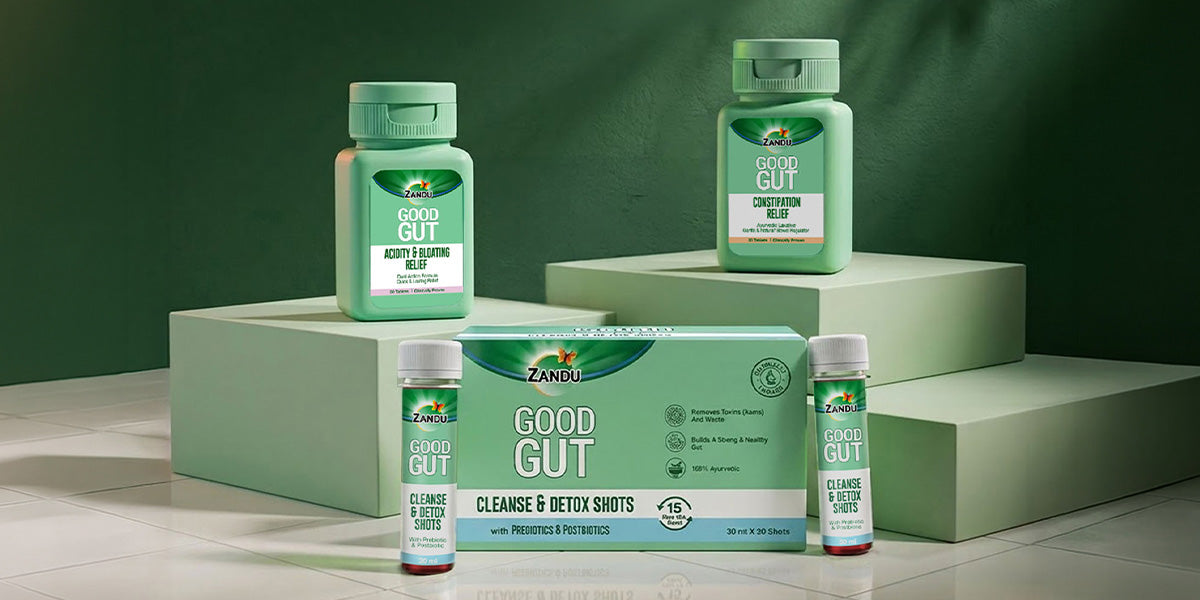
If irregular meals, outside food or a heavy weekend have left your stomach feeling off, ZanduCare's Good Gut range can support your daily routine.
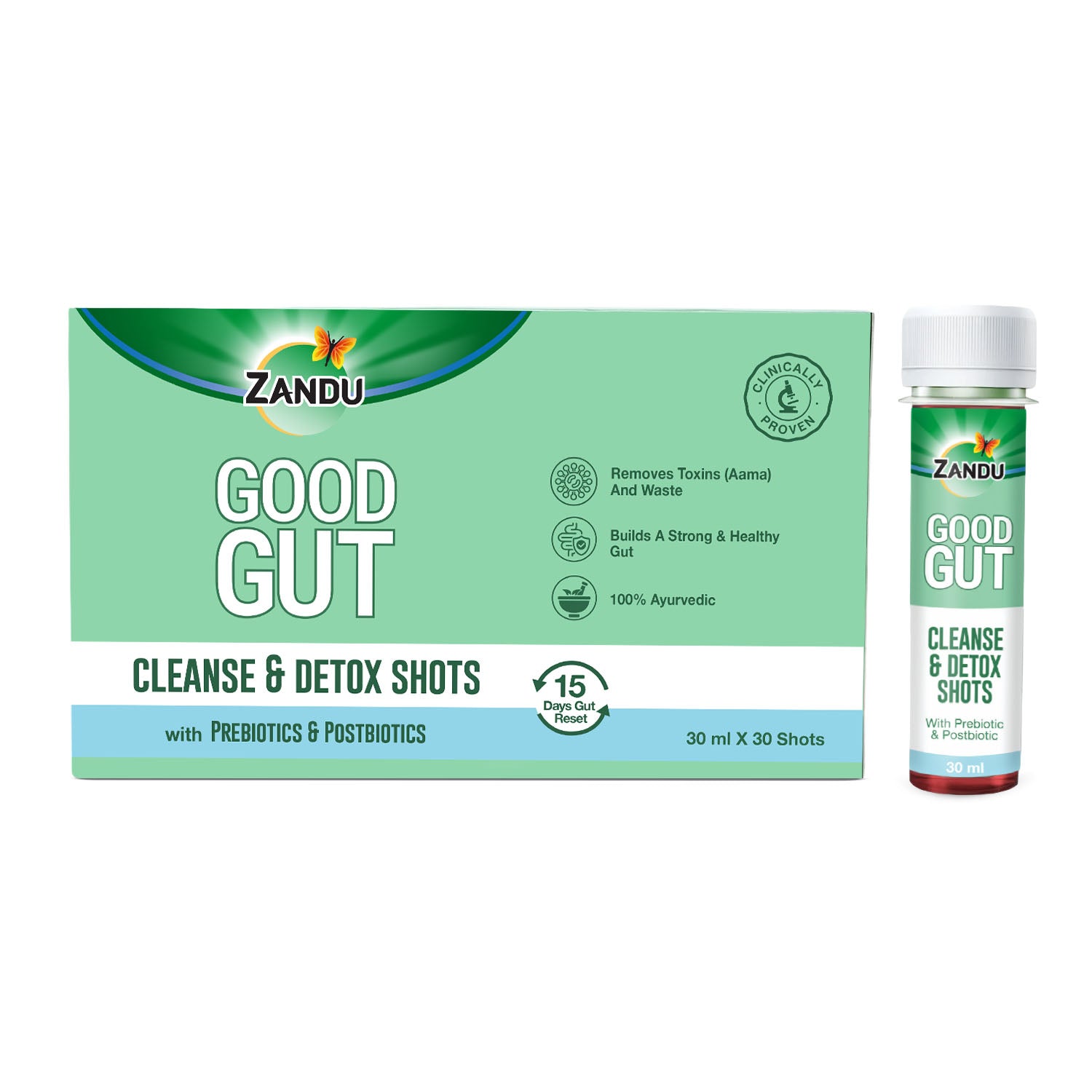
- Zandu Good Gut Cleanse & Detox Shots: Made for lifestyle-led gut trouble caused by irregular schedules, poor diet, stress and gut imbalance. Useful when your stomach feels heavy, bloated, gassy or sluggish. Not meant for sudden acidity attacks or severe constipation.
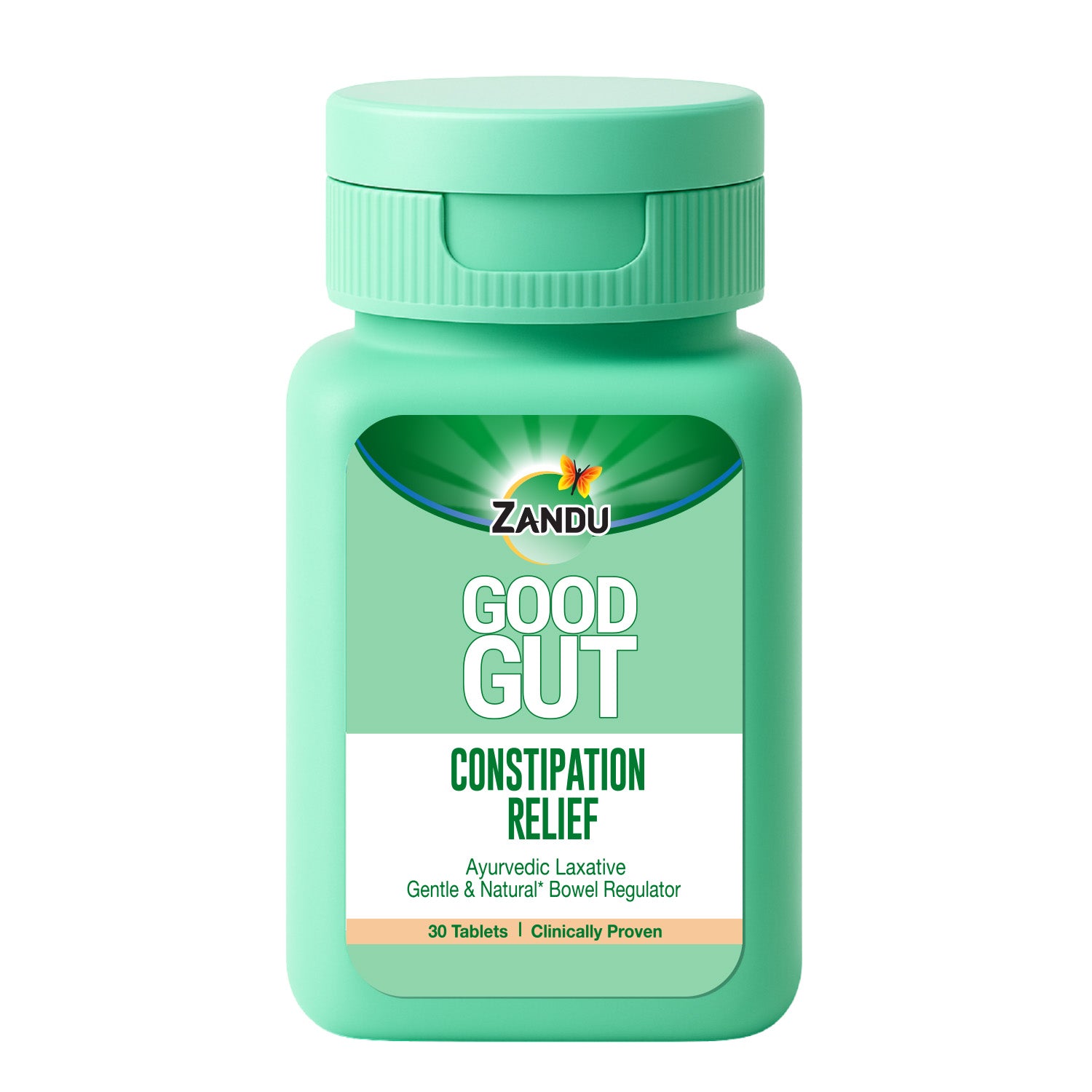
- Zandu Good Gut Constipation Relief Tablets: For hard stools, straining and irregular bowel movements.
Use them as directed on the pack, and see a doctor if your symptoms are severe or don't go away.
Conclusion
Ultra-processed foods harm your gut in more than one way. They lack fibre, so good bacteria go hungry. Emulsifiers and sweeteners can upset the balance of bacteria and thin the protective lining. Unhealthy fats add to inflammation.
Over time, the result shows up as bloating, constipation and a higher risk of IBS and Crohn's disease. The fix is simple but needs consistency: eat mostly fresh, home-cooked, fibre-rich food, cut down on packaged snacks and drinks, and give your gut bacteria what they need to recover.
References
These are the studies and reviews used in this article.
- The Detrimental Impact of Ultra-Processed Foods on the Human Gut Microbiome and Gut Barrier. Nutrients.
- Ultra-Processed Food and Gut Microbiota: Do Additives Affect Eubiosis? A Narrative Review. Nutrients.
- Ultra-processed foods: Implications for gastrointestinal health. World Journal of Gastroenterology.
- Association Between Ultra-Processed Food Consumption and Functional Gastrointestinal Disorders: Results From the French NutriNet-Santé Cohort. American Journal of Gastroenterology.
- The association of ultra-processed food consumption with adult inflammatory bowel disease risk: a systematic review and dose-response meta-analysis of 4 035 694 participants. Nutrition Reviews.
- Randomized Controlled-Feeding Study of Dietary Emulsifier Carboxymethylcellulose Reveals Detrimental Impacts on the Gut Microbiota and Metabolome. Gastroenterology.
- Dietary emulsifiers impact the mouse gut microbiota promoting colitis and metabolic syndrome. Nature.
- Artificial sweeteners induce glucose intolerance by altering the gut microbiota. Nature.
-
The association of ultra-processed food consumption with adult mental health disorders: a systematic review and dose-response meta-analysis of 260,385 participants. Nutritional Neuroscience.
- Randomised trial of high vs low ultra-processed food diets and the gut microbiome. Cell Reports Medicine.
- BBC Future. How ultra-processed foods influence our gut microbiome.
- Citizens Specialty Hospital. How Ultra-Processed Foods Harm Your Gut Microbiome.
Written by

Zanducare
India’s trusted name in Ayurvedic wellness, offering time-tested solutions for today’s health and lifestyle needs. With formulations rooted in classical Ayurvedic texts and crafted using pure natural ingredients, we bring holistic care into your everyday routine.
Research by


Leave a comment
This site is protected by hCaptcha and the hCaptcha Privacy Policy and Terms of Service apply.