













Ashwagandha Vs Shatavari: Which one Should You Buy?
Are you searching for the ultimate herbal remedy to transform your health? Ashwagandha and Shatavari, two Ayurvedic champions, each offer a unique set of benefits for the mind and body. Whether it’s stress relief, energy restoration, or hormonal balance, choosing the right herb can unlock a new level of well-being. But how do you decide which one is best for you?
This post breaks down their distinct benefits, helping you make an informed choice for a healthier, more vibrant you.
Did You Know:
- Ashwagandha is one of the most powerful Ayurvedic herbs for lowering cortisol and balancing stress hormones.
- Shatavari has antioxidant properties that support anti-aging effects and healthy inflammation response.
- Shatavari is the ultimate herb for female reproductive health based on its nourishing effects on the female reproductive tract.
- Ashwagandha improves insulin sensitivity, reduces blood sugar levels and may prevent nerve damage in diabetic patients based on human trials.
Nutritional Value of Ashwagandha & Shatavari

|
Nutrient |
Ashwagandha |
Shatavari |
|
Energy |
277 kcal |
180 kcal |
|
Protein |
3.7 g |
7.8% ± 0.2 |
|
Carbohydrates |
46.9 g |
37.2% ± 0.5 |
|
Total Fat |
0.3 g |
< 1% |
|
Crude Fiber |
Not mentioned |
28.9% ± 0.4 |
|
Sodium |
0.2 g |
Not mentioned |
Key Observations:
- Energy: Ashwagandha has a higher caloric value (277 kcal) compared to Shatavari (180 kcal).
- Protein: Shatavari has significantly higher crude protein content (7.8%) compared to Ashwagandha (3.7 g).
- Carbohydrates: Ashwagandha contains more carbohydrates (46.9 g) than Shatavari (37.2%).
- Fiber: Shatavari stands out with its high crude fiber content (28.9%), making it more beneficial for digestion and gut health.
- Fat Content: Both herbs have minimal fat, with Ashwagandha at 0.3 g and Shatavari at less than 1%.
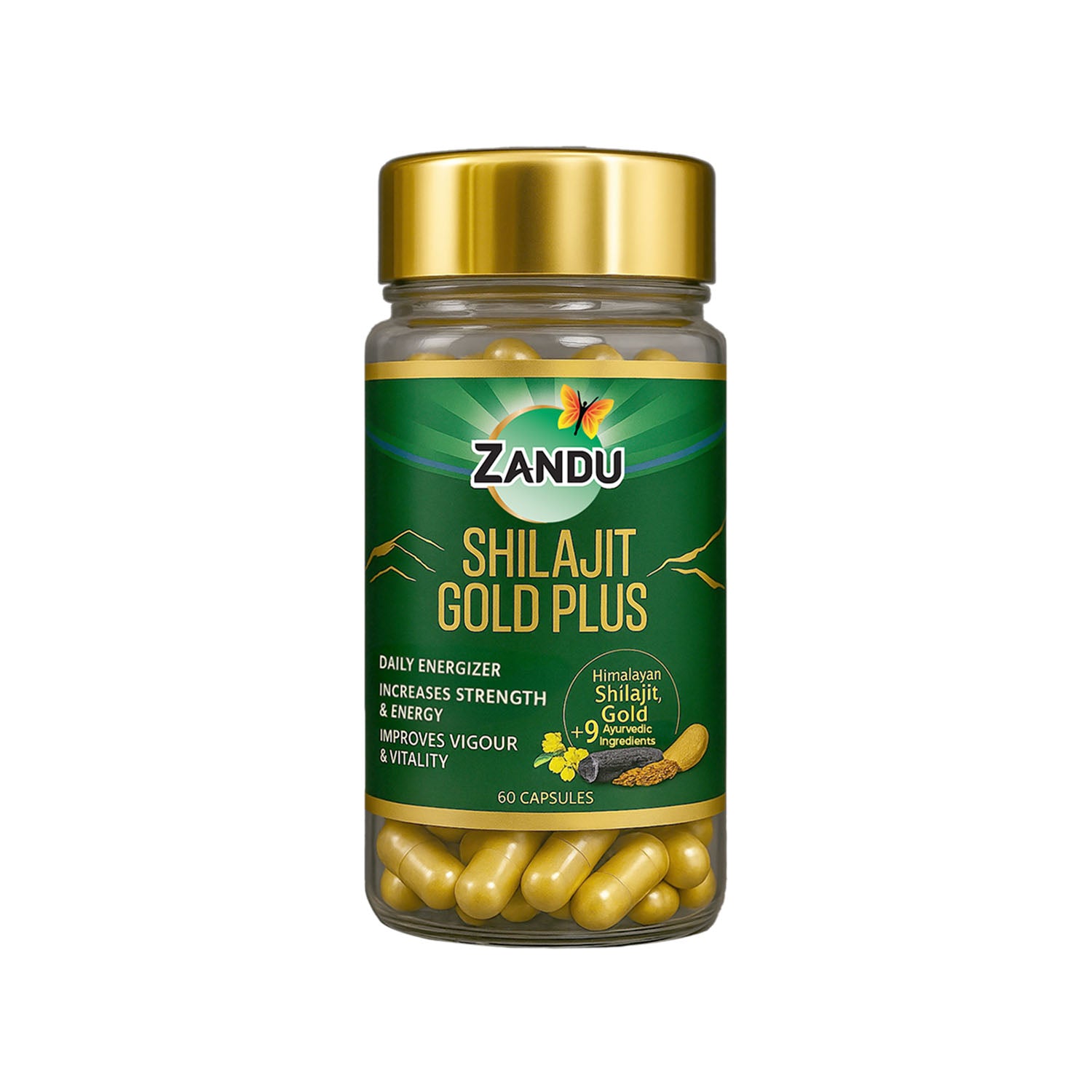
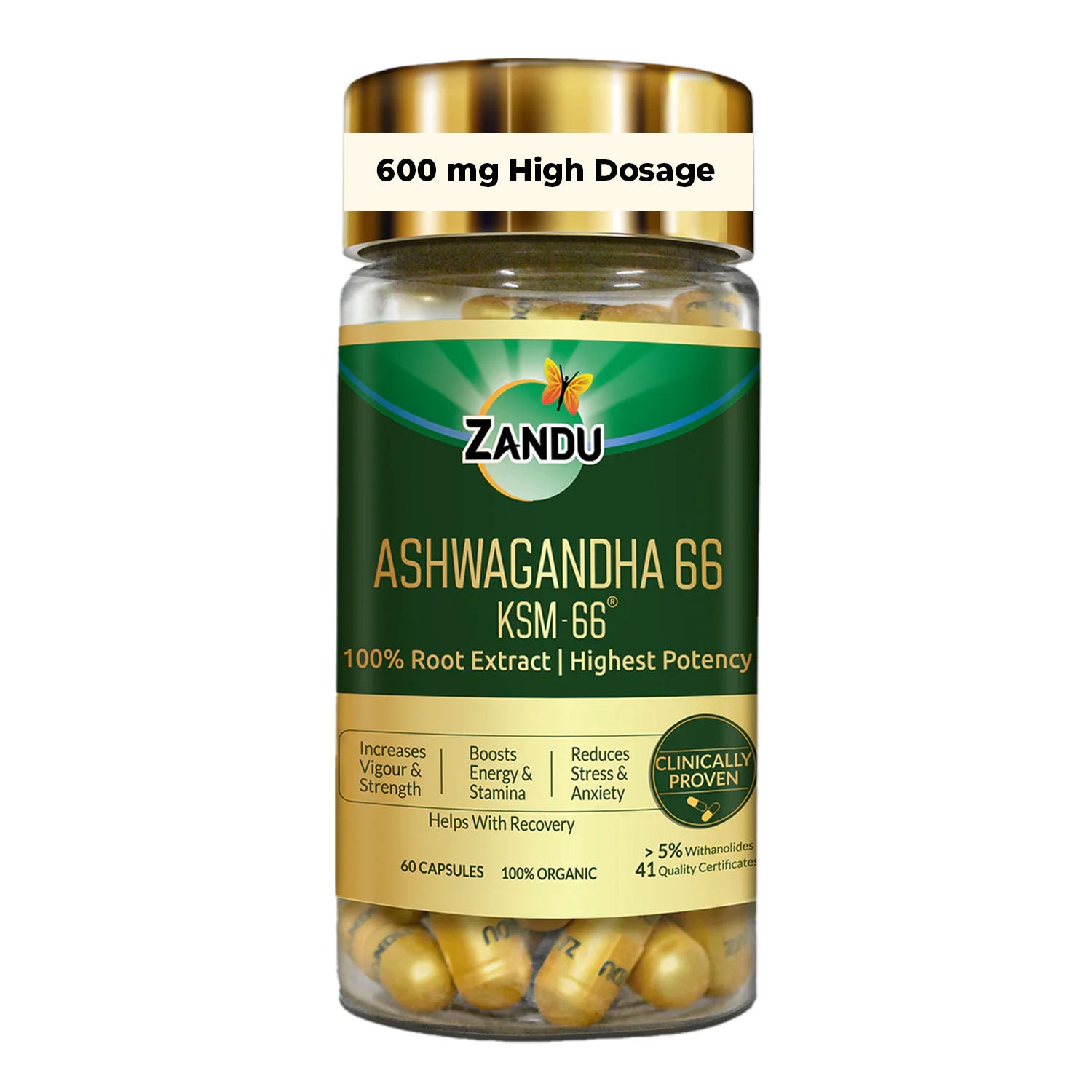
Now you can buy Ashwagandha products at the best price online from our website “usdtlegal.com”
Shatavari vs. Ashwagandha: Key Differences
|
Aspect |
Shatavari |
Ashwagandha |
|
Main Use |
Used mainly as a female reproductive tonic to balance hormones and promote fertility |
Used as an adaptogen to help the body manage stress and boost energy |
|
Active Compounds |
Contains steroidal saponins such as Shatavarins I-IV |
Contains withanolides such as withaferin A and withanolide D |
|
Effects on Female Health |
Helps regulate menstrual cycles, relieves PMS and menopause symptoms, improves fertility |
Less evidence for female reproductive health, but may help manage stress contributing to fertility issues |
|
Effects on Male Health |
Limited evidence for benefits for male reproductive health |
Can improve sperm quality and testosterone levels in infertile men |
|
Other Benefits |
Anti-inflammatory, antioxidant, and immune-boosting effects |
Anti-inflammatory, antioxidant, immune-enhancing, and neuroprotective effects |
|
Safety |
Considered very safe with no known toxicity |
Generally safe for short-term use, but high doses or long-term use may cause side effects |
|
Dosage |
Typical dosage is 1-2 grams powdered root per day |
Typical dosage is 500-1000 mg standardised extract per day |
Comparison of Ashwagandha & Shatavari

Here are the comparison of Ashwagandha and Shatavari in respect to health:
1. Effects on Stress, Anxiety and Mood
Ashwagandha is one of the most powerful Ayurvedic herbs for lowering cortisol and balancing stress hormones. Multiple human studies confirm its anti-anxiety and antidepressant effects. It also enhances mood and emotional well-being.
Shatavari on the other hand, provides modest anxiolytic activity by nourishing the nervous system. However, ashwagandha has more potent effects on GABA, serotonin, cortisol and the hypothalamic-pituitary-adrenal (HPA) axis to reduce anxiety and depression.
2. Cognitive Effects
Ashwagandha enhances memory, focus, executive function, reaction times and cognitive abilities including spatial awareness, visual perception and decision making skills. Human trials confirm ashwagandha generates new nerve cells and dendrite projections while improving blood flow in the brain.
Additionally, Shatavari does not have significant evidence for improving memory, reaction times or cognition. But its calming nature may support concentration and focus when anxiety is distracting.
Also read the difference between Shilajit & Ashwagndha before consuming.
1. Anti-Ageing Effects
Ashwagandha stimulates an enzyme called superoxide dismutase which clears free radicals from the body. This antioxidant effect combats aging and cellular damage. It also boosts mitochondrial health to maintain youth and vitality.
Shatavari has antioxidant properties that support anti-aging effects and healthy inflammation response. But ashwagandha's superior antioxidant mechanisms make it more effective for longevity and vitality.
2. Cardioprotective Effects
Ashwagandha improves cardiovascular endurance, heart muscle strength, blood pressure and cholesterol levels. As an adaptogen, ashwagandha also bolsters the body's resistance to physical and mental stressors that can lead to heart disease.
Shatavari does not have significant evidence for cardiovascular benefits. But its support for female hormones indirectly promotes heart health since estrogen has cardioprotective effects especially before menopause.
3. Hormonal Effects
Ashwagandha helps regulate hormonal imbalances in both men and women by supporting the endocrine system. It can boost testosterone in infertile men and improve female fertility.
Shatavari is the ultimate herb for female reproductive health based on its nourishing effects on the female reproductive tract. It balances female hormones, boosts fertility, enhances the health of reproductive organs and improves aspects of menopause.
4. Anti-Inflammatory Effects
Ashwagandha has very potent anti-inflammatory properties. It inhibits pro-inflammatory cytokines and increases antioxidant enzymes that combat inflammation at the cellular level. On the other hand, Shatavari also suppresses inflammatory chemicals that trigger pain and swelling in the body. However, ashwagandha rates higher in research for multiple biomarkers associated with inflammation.
5. Neuroregenerative Effects

Ashwagandha promotes nerve growth factor and regenerates axons and dendrites - key components of nerve cells that support brain plasticity and function. This makes it almost unique among medicinal herbs for its brain-healing abilities.
No major studies show Shatavari to have significant neuroregenerative or nerve growth-enhancing effects compared to Ashwagandha.
6. Stimulation of Reproductive Hormones
Ashwagandha can help stimulate production of estrogen in females and testosterone in males. This makes it useful for boosting fertility for both women and men. It also enhances sexual performance and libido.
Shatavari excels when it comes to female fertility and reproductive health. It nourishes female sex organs, increases progesterone, regulates menstrual cycles, decreases symptoms of menopause and increases milk production in lactating mothers.
7. Effects on Diabetes

Ashwagandha improves insulin sensitivity, reduces blood sugar levels and may prevent nerve damage in diabetic patients based on human trials. These effects make it beneficial for both type 1 and type 2 diabetes.
However, Shatavari may provide modest blood sugar-lowering effects, but research is currently limited. Ashwagandha has much stronger evidence as a therapeutic herb for diabetes management.

Dosage and Safety Considerations
|
Aspect |
Ashwagandha |
Shatavari |
|
Available in |
Capsules, tablets and powder |
Tablets, powder, and capsules |
|
Typical Dosage |
500-1,000 mg of root extract daily |
500-1,500 mg of root powder or extract daily |
|
Dosage Flexibility |
Adjust dosage higher or lower based on individual needs |
Start with a lower dose and increase as necessary |
|
Professional Guidance |
Always consult a healthcare provider before adjusting dosage |
Seek medical advice before increasing dosage |
|
Safe Use |
Begin with the minimum effective dose for safety |
Gradual dose escalation ensures tolerance and efficacy |
Also, check our Ashwagandha gold capsule with real gold.
Potential Side Effects and Precautions
Here are the potential side effects and precautions of both herbs Ashwagandha and Shatavari:
|
Aspect |
Ashwagandha |
Shatavari |
|
Common Side Effects |
May cause digestive discomfort, drowsiness, or headaches |
Rarely but may lead to bloating, diarrhea, or mild digestive discomfort |
|
Pregnancy/Breastfeeding |
Not recommended during pregnancy or while breastfeeding |
Consult a healthcare provider before use during pregnancy or breastfeeding |
|
Specific Conditions |
Avoid with autoimmune diseases or thyroid disorders |
Use with caution in hormone-sensitive conditions such as breast cancer or uterine fibroids |
|
Medical Supervision |
Always consult a Ayurvedic healthcare provider before starting or adjusting the dosage |
Seek medical advice, especially if you have pre-existing conditions or are on medications |
When to Choose Ashwagandha or Shatavari
When to Choose Ashwagandha
Ashwagandha is a powerful adaptogen that primarily helps the body cope with stress and improve energy levels. Here, you can also check list of Ayurvedic supplements of sex - 100% natural. Its use is recommended in the following situations:
1. High Stress and Anxiety
- If you frequently feel overwhelmed or experience chronic stress, Ashwagandha can help reduce cortisol levels and promote a sense of calm.
- It works effectively to manage symptoms of anxiety and enhance overall mental well-being.
2. Low Energy or Chronic Fatigue
- For individuals struggling with persistent fatigue, Ashwagandha can restore vitality and increase stamina.
- It’s commonly used by athletes and individuals seeking better physical performance.
3. Difficulty Sleeping Due to Stress
- Stress-induced insomnia can be alleviated with Ashwagandha. It supports deeper, more restorative sleep by calming the nervous system.
4. Need for Better Physical or Mental Performance
- Ashwagandha improves endurance, muscle strength, and cognitive function, making it an ideal choice for enhancing both physical and mental capabilities.
When to Choose Shatavari
Shatavari is a renowned herb in Ayurveda for supporting women’s health, digestion, and immunity. It is especially effective in the following cases:
1. Hormonal Imbalances (PMS, Menopause, or Irregular Periods)
- Shatavari helps balance estrogen levels and alleviates symptoms of premenstrual syndrome (PMS), menopause, and irregular menstrual cycles.
- Its hormonal regulatory effects make it a top choice for female reproductive health.
2. Low Milk Production During Lactation
- Shatavari is traditionally used to enhance lactation in breastfeeding mothers. It boosts milk production and supports the nutritional quality of breast milk.
3. Weak Digestion or Gut-Related Inflammation
- For those experiencing digestive issues such as acidity, bloating, or inflammation, Shatavari provides soothing relief.
- Its high fiber content supports a healthy gut and promotes nutrient absorption.
4. Immunity Challenges
- Shatavari’s antioxidant and anti-inflammatory properties strengthen the immune system, making it beneficial during recovery or periods of low immunity.
Choosing the Right Herb for you
- Ashwagandha: Ideal if you’re looking for stress relief, better energy, enhanced sleep, and improved physical or mental performance.
- Shatavari: Best suited for hormonal support, improved digestion, immunity, and lactation-related needs.
By understanding your health goals, you can effectively choose the herb that aligns with your wellness priorities. Always consult a healthcare professional before beginning any supplement regimen.
Also read:
- Difference b/w Musli pak & Shilajit
- Comparision b/w Ashwagandha & Ginseng
- Comparison of Ashwagandha Tablet & Powder
- Ashwagandha vs Gokshura
FAQs
1. Which is better for fertility and reproductive health - Shatavari or Ashwagandha?
Shatavari is considered the premier herb for female fertility and reproductive health. It helps regulate hormones, promotes ovulation, improves uterine health, and increases lactation. Ashwagandha can help manage fertility issues caused by stress but has less direct action on the female reproductive system.
2. Is it safe to take Shatavari and Ashwagandha together?
Yes, it is typically safe to take Shatavari and Ashwagandha together. Start with low doses of both and monitor for any side effects. Consult an Ayurvedic practitioner for guidance on optimal dosage and timing when combining herbs.
3. Can men take Shatavari? Does it increase testosterone?
There is limited evidence that Shatavari increases testosterone or benefits male reproductive health. Ashwagandha is a better choice for increasing testosterone and improving fertility in men.
4. Which herb is better for weight loss?
Early research shows both Shatavari and Ashwagandha may support weight management. Ashwagandha appears more effective for boosting metabolism, increasing muscle mass, and decreasing body fat percentage. More studies are needed comparing the effects of both herbs specifically for weight loss.
5. Is Ashwagandha or Shatavari better for thyroid health?
People with thyroid issues should exercise caution with Ashwagandha due to potential effects on thyroid hormone levels in sensitive individuals. Shatavari may help support thyroid health through gentle nourishing action but more research is still needed.
References:
- Multiple human studies confirm its anti-anxiety and antidepressant effects. It also enhances mood and emotional well-being. (https://pmc.ncbi.nlm.nih.gov)
- Ashwagandha helps regulate hormonal imbalances in both men and women by supporting the endocrine system. It can boost testosterone in infertile men and improve female fertility (https://pmc.ncbi.nlm.nih.gov)
- Ashwagandha has very potent anti-inflammatory properties. It inhibits pro-inflammatory cytokines and increases antioxidant enzymes that combat inflammation at the cellular level. (https://pmc.ncbi.nlm.nih.gov)


Written by

Zanducare
India’s trusted name in Ayurvedic wellness, offering time-tested solutions for today’s health and lifestyle needs. With formulations rooted in classical Ayurvedic texts and crafted using pure natural ingredients, we bring holistic care into your everyday routine.
Research by




Leave a comment
This site is protected by hCaptcha and the hCaptcha Privacy Policy and Terms of Service apply.