











Article: Eggs and Type 2 Diabetes: Benefits, Risks, and ICMR Recommendations
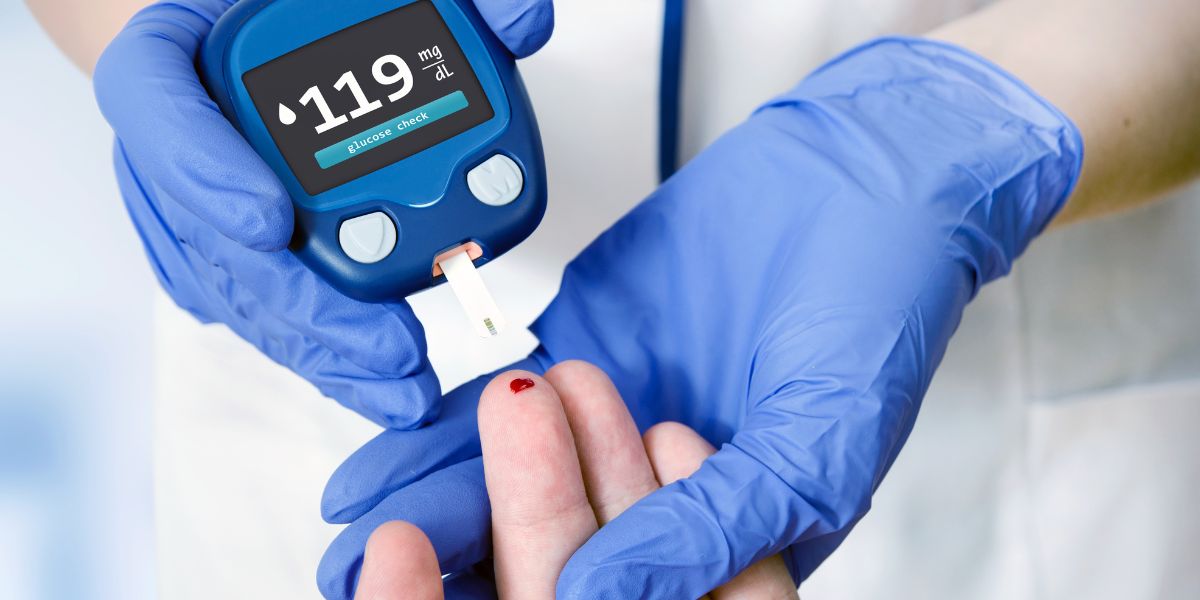
Eggs and Type 2 Diabetes: Benefits, Risks, and ICMR Recommendations
Yes, eggs are generally suitable for people with diabetes when consumed in moderation, up to 6-7 per week, focusing on whole eggs or whites for protein without excess yolks. Backed by Indian Council of Medical Research (ICMR) and National Institute of Nutrition (NIN) guidelines, eggs provide high-quality protein, low carbs, and nutrients that stabilise blood sugar.
However, limit yolks if you have high cholesterol, as per ICMR's 2018 diabetes management advice. This article explores the science, Indian evidence, and practical tips for inclusion in your diet.
Nutritional Breakdown of Eggs: Why They Matter for Blood Sugar Control
Eggs are a powerhouse for diabetics due to their nutrient density. Here's a quick profile based on one medium egg (50g):
- Calories: 70-80 kcal – Low energy, ideal for weight management in diabetes.
- Protein: 6-7g – High biological value, promotes satiety and muscle repair without spiking glucose.
- Carbs: <1g – Negligible glycemic index (GI ~0), preventing blood sugar surges.
- Fats: 5g total (1.5g saturated) – Mostly unsaturated; yolks contain choline for heart health.
- Key Micronutrients:
- Vitamin D: Supports insulin sensitivity.
- Selenium: Antioxidant to reduce oxidative stress in diabetics.
- B12: Aids nerve health, often deficient in Indian vegetarians, turning non-veg.
|
Nutrient |
Amount per Egg |
Benefit for Diabetes |
|
Protein |
6g |
Stabilises blood sugar; reduces hunger. |
|
Healthy Fats (Omega-3 in enriched eggs) |
0.1-0.5g |
Lowers inflammation; improves lipid profile. |
|
Fiber |
0g |
None, but pair with veggies for gut health. |
|
Cholesterol |
185mg (in yolk) |
Monitor if dyslipidemic; whites are cholesterol-free. |
Studies like those from the American Diabetes Association (adapted for Indian contexts) show eggs don't raise LDL cholesterol in most diabetics. In India, where 77 million adults have diabetes (ICMR-INDIAB data), eggs offer an affordable protein alternative to pricey meats.
Key Benefits of Eggs for Diabetes Management
Eggs fit seamlessly into a diabetic diet by addressing core challenges like glycemic control and nutrient gaps. Here's how, supported by global and Indian evidence:
- Blood Sugar Stability:
- Low GI prevents post-meal spikes; a 2023 Healthline review notes eggs improve fasting glucose by 10-15% when eaten at breakfast.
- In Indian contexts, pairing eggs with millets (as per NIN guidelines) enhances this effect.
- Weight Control and Satiety:
- High protein curbs cravings; a study in Diabetes Care found egg breakfasts reduced daily calorie intake by 400 kcal.
- For Indians, where obesity fuels 80% of type 2 cases (ICMR stats), eggs replace carb-heavy idlis for better BMI.
- Heart Health Boost:
- Despite cholesterol myths, meta-analyses (e.g., 2019 in Nutrients) show no CVD risk increase from 1 egg/day in diabetics.
- Omega-3-enriched eggs (available in India) lower triglycerides, per ICMR's lipid targets.
- Nutrient Support for Complications:
- Lutein in yolks protects eyes from diabetic retinopathy.
- Protein aids kidney function; ICMR recommends 0.8g/kg body weight daily, with eggs contributing efficiently.
- Affordability in India:
- At ₹5-7 per egg, they're cheaper than paneer (₹300/kg); NIN's 2024 guidelines equate 30g of pulses to 1/2 egg for balanced intake.
Potential Risks and Who Should Limit Eggs
While beneficial, eggs aren't for unlimited intake. Moderation is key, especially in India’s high-carb diets, exacerbating diabetes.
- Cholesterol Concerns:
- Yolks have 185mg cholesterol; ICMR 2018 flags "egg yellow" restriction in dyslipidaemia (high lipids common in 60% of Indian diabetics).
- Risk: If you have CVD, limit to 3 yolks/week; opt for whites (0mg cholesterol).
- Overconsumption Risks:
- Daily eggs (>7/week) linked to 40% higher type 2 risk in some studies (British Journal of Nutrition, 2020), due to saturated fats.
- In India, where egg intake averages 1/week (NSSO data), excess could strain the kidneys in advanced nephropathy.
- Allergies and Contaminants:
- Rare egg allergies worsen inflammation; salmonella risk from raw eggs—cook thoroughly.
- Indian market: Choose desi or omega-enriched from trusted farms to avoid antibiotics.
- Calorie Trap:
- Fried eggs add 100+ kcal from oil; stick to boiled/poached.
Indian Government Studies: What the Evidence Says
India's diabetes epidemic (101 million cases, ICMR 2023) demands localised research. Government papers from ICMR and NIN provide clear, evidence-based insights on eggs. Here's a breakdown of key studies and guidelines:
- ICMR Guidelines for Management of Type 2 Diabetes (2018):
- Recommends proteins at 12-15% of energy (e.g., 60g/day for a 2000 kcal diet) from pulses, low-fat dairy, fish, and lean meats, including eggs in moderation.
- For dyslipidaemia: Restrict saturated sources like "egg yellow" (yolk), ghee, and red meats to <7% energy; prioritise MUFA oils.
- Key finding: Balanced MNT with eggs prevents complications in 30% of prediabetics via lifestyle tweaks.
- NIN Dietary Guidelines for Indians (2024):
- Positions eggs as a high-quality protein equivalent to 30g of pulses (e.g., 1/2 egg = 20g raw dal).
- Daily intake: Up to 1 egg/day for adults (1/2 for children 1-3 years); include in 'MyPlate' with cereals (250g), veggies (400g), and fruits (100g).
- Metabolic link: Plant/animal proteins like eggs in balanced meals reduce obesity/diabetes risk by promoting EAA and satiety.
- Sample: Boiled egg in lunch for a 540-730 kcal meal, aiding glycemic control.
- ICMR-INDIAB Study (2025, Published in Nature Medicine):
- Analysed 10,000+ Indians; high-carb diets (62% calories) drive 14% diabetes risk rise.
- Breakthrough: Swapping 5% carbs for egg/dairy/fish protein lowers type 2 odds by 10-15%; eggs specifically cut prediabetes by 8%.
- Regional insight: South Indians (rice-heavy) benefit most from egg inclusion.
- Govt-backed: Led by ICMR's Madras Diabetes Research Foundation.
- Additional, ICMR Insights:
- 2023 report: Eggs in mixed diets (with millets) improve insulin sensitivity in urban Indians.
- Prevention focus: 35% prediabetes reversal via protein-rich foods like eggs, per longitudinal trials.
These papers emphasise cultural adaptation, e.g., egg bhurji over bacon, for sustainable adherence.
How to Incorporate Eggs into an Indian Diabetic Diet: Practical Tips and Recipes
Make eggs a staple without boredom. Aim for 4-6/week, boiled or steamed, paired with fibre-rich sides. Here's a 7-day plan and recipes, aligned with NIN's 2000 kcal template:
Weekly Egg Intake Guide
|
Day |
Egg Prep |
Portion |
Pairing (Low-GI) |
Total Carbs (g) |
|
Mon |
Boiled (2 whites) |
100g |
Millet roti + spinach |
30 |
|
Tue |
Omelette (1 whole) |
50g |
Besan cheela + cucumber |
25 |
|
Wed |
None |
- |
Dal + brown rice |
40 |
|
Thu |
Poached (1 whole) |
50g |
Moong dal salad |
20 |
|
Fri |
Scrambled (2 whites) |
100g |
Upma with veggies |
35 |
|
Sat |
Egg curry (1 whole) |
50g |
Quinoa khichdi |
28 |
|
Sun |
None |
- |
Paneer sabzi + chapati |
32 |
5 Easy Indian Recipes (Under 200 kcal/serving)
- Anda Bhurji (Scrambled Eggs):
- Whisk 2 egg whites + onions, tomatoes, and green chillies.
- Sauté in 1 tsp mustard oil; add turmeric.
- Serve with 1 multigrain roti. (Protein: 15g; GI: Low.)
- Egg White Dosa:
- Mix the urad dal batter with 2 egg whites.
- Ferment overnight; cook thin dosas.
- Top with coconut chutney. (Fills NIN's cereal-pulse combo.)
- Boiled Egg Chat:
- Boil 1 egg; chop with cucumber, sprouts, and lemon.
- Sprinkle chaat masala (low-salt).
- Snack for mid-morning (satiety boost).
- Eggplant Egg Stir-Fry (Baingan Anda):
- Sauté brinjal + 1 whole egg in olive oil.
- Add garlic and curry leaves.
- Pair with salad. (Veggie boost per ICMR fibre recs.)
- Masala Egg Whites:
- Steam 3 whites; marinate in yoghurt, spices.
- Grill lightly.
- Side with curd raita. (Dairy-egg synergy for ICMR protein goals.)
Tips:
- Source: Free-range desi eggs for better omega-3.
- Monitor: Track blood sugar 2 hours post-meal; adjust if >140 mg/dL.
- Variations: Vegans? Use tofu as an egg sub, per NIN.
This approach cuts carbs by 5-10%, mirroring ICMR-INDIAB's risk-reduction strategy.
Myths Busted: Common Misconceptions About Eggs and Diabetes
- Myth: Eggs Raise Cholesterol Sky-High
Fact: Dietary cholesterol impacts <20% of people; ICMR says focus on saturated fats instead.
- Myth: All Eggs Are Fattening
Fact: Whites are fat-free; control portions for weight loss.
- Myth: Diabetics Must Avoid Yolks Entirely
Fact: 3-4/week okay if lipids are normal, per NIN.
- Myth: Eggs Cause Diabetes
Fact: High intake (>1/day) risks in some cohorts, but moderation protects (PMC study, 2009).
Conclusion: Eggs as a Smart Choice for Indian Diabetics
In summary, eggs are a thumbs-up for diabetes, nutrient-packed, blood-sugar friendly, and endorsed by ICMR/NIN for moderate use. Swap carbs for egg protein to slash risks, as ICMR-INDIAB proves. Start with 1-2/week, track your metrics, and consult a dietitian for personalisation. With India's rising cases, small swaps like egg-inclusive thalis can turn the tide. Eat mindfully, stay active, and thrive.
References:
Written by

Zanducare
India’s trusted name in Ayurvedic wellness, offering time-tested solutions for today’s health and lifestyle needs. With formulations rooted in classical Ayurvedic texts and crafted using pure natural ingredients, we bring holistic care into your everyday routine.
Research by


Leave a comment
This site is protected by hCaptcha and the hCaptcha Privacy Policy and Terms of Service apply.